

All trilink huihuang chain is hand inspected 100% to insure all product is free from manufacturing defects.

IntroductionCutting hardwood can be a tough task, but having the right chainsaw chain can make all the difference. Are you using the best chain for your saw?In this article, we'll explore the importance of choosing the right chainsaw chain for hardwood. You'll learn how the right chain improves cutting efficiency and reduces maintenance. By the end, you'll have a better understanding of what to look for when selecting the best chainsaw chain for your needs.

Understanding chainsaw chain terminology is essential for choosing a safe and compatible replacement chain. This guide explains the three critical specifications—pitch, gauge, and drive link count—and shows how they affect guide bar and sprocket compatibility. It also covers full-chisel, semi-chisel, and other cutter types, standard and skip chain sequences, brand-specific numbering systems, and low-kickback versus professional chains. By correctly reading chain specifications and matching them to your cutting conditions, you can select the right chainsaw chain, improve cutting performance, and avoid costly equipment damage.
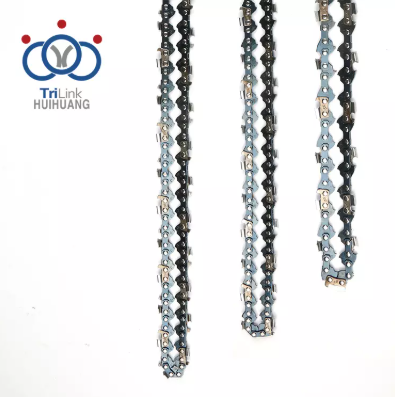
Understanding the **chainsaw chain DL meaning** is essential for choosing a safe and compatible replacement chain. DL refers to the number of drive links that run inside the guide bar groove and determine the chain loop length. This guide explains how to find and count drive links, read guide bar specifications, and identify pitch and gauge. It also covers OEM and aftermarket chain compatibility, common fitment problems, chain stretch, and sprocket wear, helping users accurately match chainsaw chain specifications and avoid purchasing the wrong replacement.

Understanding chainsaw chain lifespan helps operators maintain cutting efficiency, reduce unnecessary replacements, and identify unsafe wear before failure occurs. This guide explains how sharpening frequency, wood type, dirt, temperature, lubrication, tension, and operator technique affect chain longevity. It also covers cutter wear markers, drive link damage, depth gauge maintenance, guide bar and sprocket wear, and proper inspection methods. By knowing when to sharpen or replace a chainsaw chain and maintaining related components correctly, users can extend chain life while achieving safer and more consistent cutting performance.
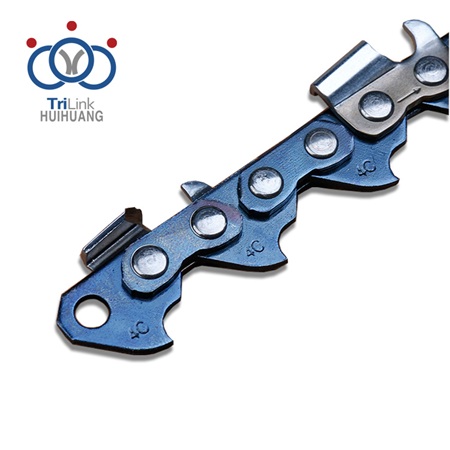
Learning **how to measure a chainsaw chain** correctly is essential for choosing a safe, compatible replacement. This guide explains the three key measurements—pitch, gauge, and drive link count—and shows how to identify them manually or from guide bar markings. It also covers chainsaw bar length, manufacturer identification numbers, and the risks of installing an incorrectly sized chain. Beyond sizing, the guide compares cutter types, chain sequences, safety ratings, and brand compatibility, helping operators choose the right replacement chainsaw chain for reliable cutting performance and safer operation.