Views: 0 Author: Site Editor Publish Time: 2026-11-18 Origin: Site


Purchasing a replacement chain based solely on guide bar length is a common operational error that leads to incompatible parts and wasted budget. Many operators grab a box off the shelf matching their bar size, only to find it won't mount. A chain that is too loose or too tight cannot be properly tensioned. This can lead to accelerated sprocket wear, poor cutting performance, and safety hazards such as chain derailment. Securing the correct replacement requires identifying three specific metrics—pitch, gauge, and the exact count of chainsaw chain drive links. You cannot guess these numbers. This guide breaks down how to locate, verify, and evaluate these specifications to ensure a precise fit for your equipment.
Bar Length is Insufficient: Guide bar length (e.g., 18 inches, 36 inches) only describes the cutting area, not the mechanical fitment required for the sprocket and bar groove.
The Three Critical Metrics: Every replacement chain requires an exact match of pitch (distance between rivets), gauge (drive link thickness), and drive link count.
Brand Variations Exist: The number of drive links for a specific bar length fluctuates based on the manufacturer (e.g., STIHL vs. Husqvarna) and the chain's pitch.
Verification is Mandatory: Installing a chain with even one missing or extra drive link compromises the tensioning mechanism, rendering the saw unsafe to operate.
Table of Contents
Users frequently attempt to purchase a 20-inch chain only to find it does not fit their 20-inch saw. Bar length is a nominal measurement of the exposed cutting area, not the total circumference of the chain path. When you are out in the woods, realizing your new chain is two links short means the workday is over. You cannot stretch a chain to fit. You cannot remove links without specialized breaking and spinning tools, which most operators do not carry in their trucks.
Two chainsaws with the same guide bar length may require different drive link counts because their guide bar mounts, drive sprockets, and bar nose configurations can vary. These design differences affect the total chain path and determine the correct replacement chain length. Always check the specifications of the actual guide bar and chainsaw model rather than relying on engine displacement or bar length alone.
A bar designed for plunge cutting might have a narrow, pointed nose, while a standard felling bar features a wide, rounded nose. A narrow nose requires fewer links to make the turn. A wide nose requires more. Relying on bar length alone ignores these geometric variables.
To evaluate any replacement chain, operators must match three non-negotiable specifications. Missing even one metric guarantees the chain will fail to mount or operate safely. Treat these three numbers as a strict formula.
Pitch is the distance between any three consecutive rivets divided by two (commonly .325", 3/8", or .404"). Manufacturers use this specific measurement method because the rivets on a cutter link and a tie strap are not evenly spaced. Dividing three rivets by two provides a constant average distance.
In the industry, 3/8" and .375" are functionally identical measurements. Do not let this decimal conversion cause confusion when calculating drive link requirements. Pitch dictates the size of the drive sprocket on the clutch drum and the bar nose sprocket. It must match the saw's existing drive system exactly. If you mount a .325" chain on a 3/8" sprocket, the drive links will not seat into the sprocket pockets. This causes immediate binding and drive system failure.
Gauge is the width of the portion of the drive link that slots into the guide bar groove (commonly .043", .050", .058", or .063"). The gauge ensures the chain stands upright and tracks perfectly straight during heavy cuts.
A gauge too thick will not fit the bar. You will feel immediate resistance trying to seat the chain. Do not force it. A gauge too thin will slip, causing erratic cutting and bar damage. The chain will lean over during the cut, creating curved slabs of wood. This lateral movement batters the inside of the bar rails. Over time, the rails spread apart, destroying the guide bar and forcing an expensive replacement.
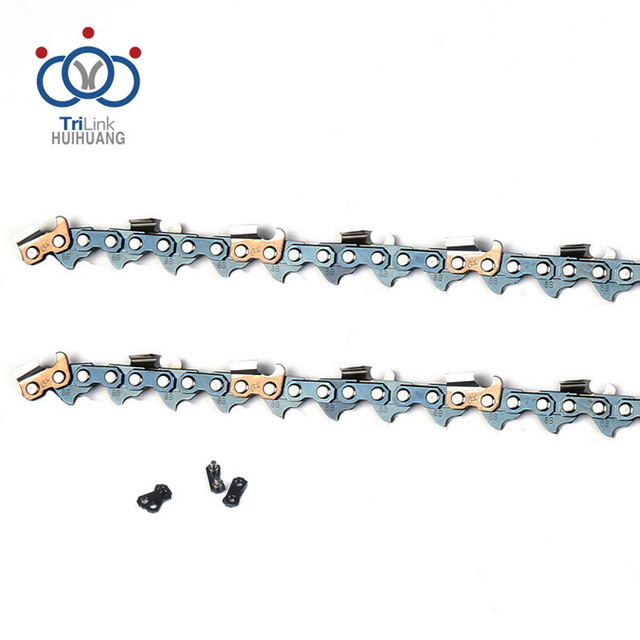
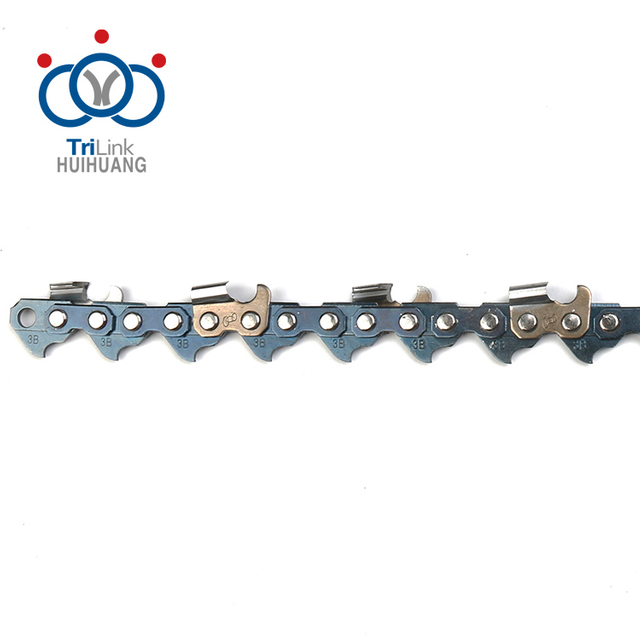
The drive link count is the total number of drive links (the bottom teeth that engage the sprocket) on the chain loop. This determines the exact circumference of the chain. It is the final variable needed to finalize a purchase.
The chain tensioner has a limited adjustment range, so the drive link count must match the specifications of the guide bar and saw. An incorrect count may prevent proper installation or leave insufficient adjustment room for maintaining the correct chain tension. If you are running a heavily worn bar, the tensioner might already be maxed out. Installing a chain with the correct link count on a worn bar can sometimes feel loose, indicating the bar itself needs replacement, not just the chain.
Metric |
Definition |
Common Sizes |
Impact on Fit |
|---|---|---|---|
Pitch |
Distance between 3 rivets divided by 2 |
.325", 3/8", .404" |
Matches drive and nose sprockets |
Gauge |
Thickness of the drive link tang |
.043", .050", .058", .063" |
Ensures snug fit in bar groove |
Drive Link Count |
Total number of bottom links |
Varies (e.g., 72, 84, 115) |
Determines exact chain loop circumference |
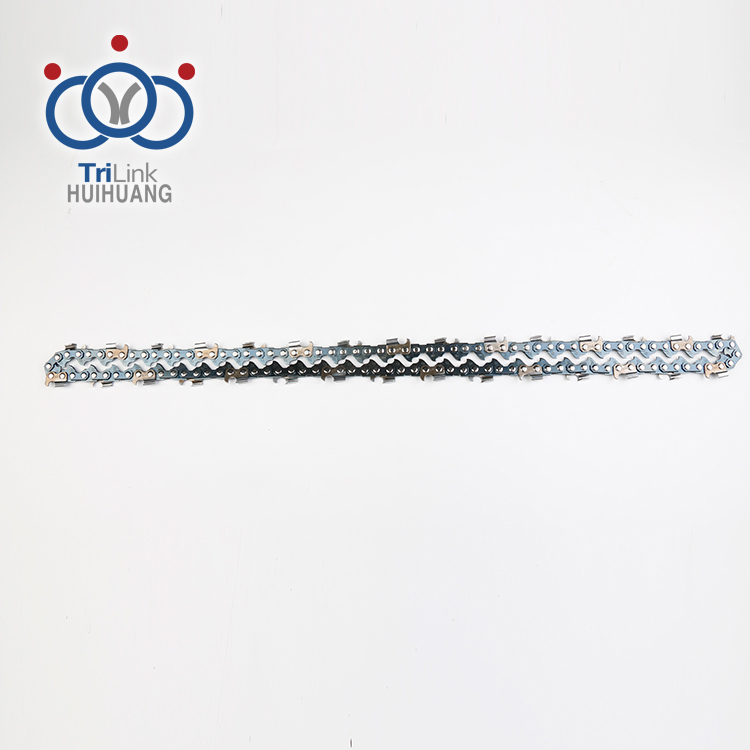
There are three primary methods for determining the correct link count. Always verify your findings before ordering replacement parts.
Look at the heel of the guide bar (the end mounted to the powerhead). You may need to wipe away packed sawdust and bar oil to see the metal clearly. Most modern bars have the pitch, gauge, and drive link count (often denoted with "DL") stamped directly into the metal.
Do not confuse the total drive link count on the bar stamp with the single-digit or double-digit ID codes (e.g., "3", "72") stamped on the individual drive links themselves. Those individual link stamps indicate pitch and gauge, not the total count.
Consulting the manual works best for new saws where the original bar and sprocket remain unmodified. The manual lists the exact specifications required for safe operation. It often includes a chart matching bar lengths to specific link counts.
If a previous owner swapped the bar or sprocket, the manual's specifications may no longer apply. Many operators upgrade their saws with longer bars or different sprocket configurations. Always physically verify the current equipment if you bought the saw used or if it recently returned from a repair shop.
Remove the chain from the saw completely. Trying to count links while the chain is mounted leads to errors. If your chain snapped during operation, lay the broken pieces end-to-end on your tailgate. Make sure no links went missing when the chain broke. Count the drive links exactly as you would on an intact loop.
Remove the chain from the saw completely to avoid counting errors.
Lay the chain flat on a workbench and stretch it out so the links align cleanly.
Mark the starting drive link with a permanent marker or a bright piece of tape.
Count the drive links in pairs to speed up the process and reduce miscounts.
Stop counting once you reach the marked starting link.
Do not count the cutting teeth or tie straps; only count the drive links (the bottom tangs). This method eliminates all guesswork and provides the exact number you need.
Drive link counts are not standardized across the power equipment industry. Different brands engineer their guide bars with unique profiles, tail mounts, and nose radii.
Yes. For chains designed around the same overall chain path length, a smaller pitch generally requires more drive links than a larger pitch. For example, a .325" pitch chain typically needs more links than a 3/8" pitch chain to cover an equivalent loop length. However, pitch, drive sprocket compatibility, and guide bar specifications must all be considered when selecting a replacement chain.
You cannot swap pitch sizes without recalculating the total link count and changing the drive sprocket. If you decide to convert your saw from a .325" pitch to a 3/8" pitch for more aggressive cutting, your old link count data becomes obsolete. You must purchase a new bar and chain combination designed to work together.
A 36-inch bar from Husqvarna typically requires 115 drive links, whereas a similarly sized bar from another manufacturer or aftermarket brand may require 114 or 116 depending on the bar profile. Guide bar mounting patterns and dimensions vary across manufacturers and chainsaw models. STIHL, Husqvarna, Oregon, and aftermarket suppliers offer different bar configurations, so compatibility should always be confirmed using the specific bar mount and equipment specifications. The distance from the mounting slot to the sprocket alters the chain path. Never assume compatibility across brands based on bar length alone.
Bar Length |
Pitch |
Typical Drive Link Count (Brand Dependent) |
|---|---|---|
16 inches |
3/8" Low Profile |
55 to 56 DL |
18 inches |
.325" |
72 to 74 DL |
20 inches |
3/8" |
70 to 72 DL |
24 inches |
3/8" |
84 DL |
36 inches |
3/8" |
114 to 116 DL |
Operating a saw with the wrong link count introduces severe mechanical failures and safety hazards. Even a margin of one link makes a massive difference in how the saw performs.
Too Few Links: The chain will not reach around the bar and sprocket, making installation impossible. You will not be able to pull the chain over the nose sprocket, even with the tensioner backed all the way out.
Too Many Links: The chain will bottom out the tensioning screw before becoming tight, leading to a loose chain that sags off the bar. As the chain heats up during use, it expands slightly, making the sagging worse. You will lose the ability to maintain proper operational tension.
Running a loose chain damages the drive sprocket immediately. The sloppy fit burrs the guide bar rails and accelerates wear on the chain chassis. The drive links slam into the sprocket rather than engaging smoothly. This battering destroys the rim sprocket or spur sprocket. You will notice deep gouges on the drive link tangs.
The bottoms of the links hit the bottom of the bar groove, causing the metal to roll over and mushroom. Once the drive links are mushroomed, they will no longer fit into the bar groove, ruining the entire chain.
A chain with an incorrect drive link count is highly susceptible to derailing at high RPMs, posing a severe laceration risk to the operator. Proper chain tension helps reduce the risk of derailment, while kickback prevention also depends on chain design, guide bar condition, safety features, and correct operating techniques. You cannot achieve proper tension without the exact link count. A loose chain can easily catch on a branch or bind in the cut, violently throwing the saw back toward the user.

Once you confirm the drive link count, evaluate a few final factors to select the right chain. Proper selection and maintenance maximize the lifespan of your cutting equipment.
Choose between full chisel and semi-chisel cutters based on the wood type while ensuring the drive link count remains constant. Full chisel chains feature square-cornered teeth and cut exceptionally fast in clean, green timber. Semi-chisel chains feature rounded corners and hold an edge much longer in dirty, dry, or frozen wood.
Standard sequence chains have a cutter on every other tie strap. They work well for bars under 24 inches. Skip sequence chains have fewer cutters, allowing better chip clearance on very long bars. They keep the saw's RPMs high when burying a 36-inch bar in a large trunk. The cutter style does not change the required loop circumference.
Evaluating third-party chains requires cross-referencing their specific drive link counts against your bar's stamped requirements, as aftermarket bar profiles may differ slightly from OEM. Brands like Oregon, TriLink, or Carlton produce excellent aftermarket chains. If you buy an aftermarket bar and chain combo, the link count might differ from your original factory setup. Always verify the numbers stamped on the new bar before ordering future replacement chains.
Even with the correct drive link count, a chainsaw chain must be replaced if the drive links show signs of severe peening (battering) or burring. Damaged drive links will not seat properly in the sprocket, mimicking the symptoms of an incorrect link count and accelerating wear on the entire cutting system.
Peening looks like the metal has been battered, flattened, or mushroomed at the bottom points. If you notice burrs on the drive links, you can sometimes file them flat. If the damage is extensive, discard the chain immediately to protect your guide bar and sprocket.
Remove your current chain and clean the guide bar to reveal the stamped specifications on the heel.
Manually count the drive links if the bar stamp is illegible, missing, or covered in heavy rust.
Use this exact number to filter replacement options from reputable OEM or aftermarket suppliers.
Inspect your drive sprocket for heavy wear grooves before installing the new chain to prevent premature damage.
A: Numbers stamped on individual drive links (e.g., 3, 72, 25) are manufacturer-specific ID codes that indicate the chain's pitch and gauge. They do not indicate the total drive link count.
A: No. One extra drive link will usually prevent the saw's tensioning mechanism from tightening the chain sufficiently, resulting in a loose chain that is dangerous to operate.
A: There is no universal drive link count for a 20-inch chainsaw chain. The correct number depends on the chain pitch, guide bar model, and chainsaw configuration. Check the markings on your guide bar or consult the manufacturer's specifications to confirm the required count.
A: This depends on the manufacturer and pitch. For example, a standard Husqvarna 36-inch bar running a 3/8" pitch typically requires 115 drive links, but you must verify your specific bar's requirements.
A: The drive links are the bottom, pointed teeth of the chain that sit inside the groove of the guide bar and engage with the drive sprocket.
A: No. While a chain physically lengthens over time due to rivet wear (commonly called "stretch"), the actual number of drive links remains exactly the same.