
Views: 0 Author: Site Editor Publish Time: 2026-01-12 Origin: Site


Choosing the right chainsaw chain can make all the difference. Whether you’re a homeowner or a professional, selecting the best chain is key to getting the job done efficiently. In this article, we’ll discuss how to pick the perfect chainsaw chain for any task and the factors that affect performance.
When choosing the right chainsaw chain, understanding chain pitch and gauge is crucial. The pitch refers to the distance between the drive links of the chain, and it plays a major role in determining the power needed from your chainsaw. Larger pitch sizes (such as 3/8") are typically used for heavier, professional-grade saws. On the other hand, smaller pitch sizes like 1/4" are used for lighter chainsaws.
The gauge is the thickness of the drive links and must match the groove size of your guide bar. If the gauge is too thick or too thin, the chain won’t fit properly, leading to operational issues. For instance, a .050” gauge is commonly used in most consumer-grade chainsaws, while .063” is often preferred for heavy-duty saws. Always check your chainsaw’s specifications before purchasing.
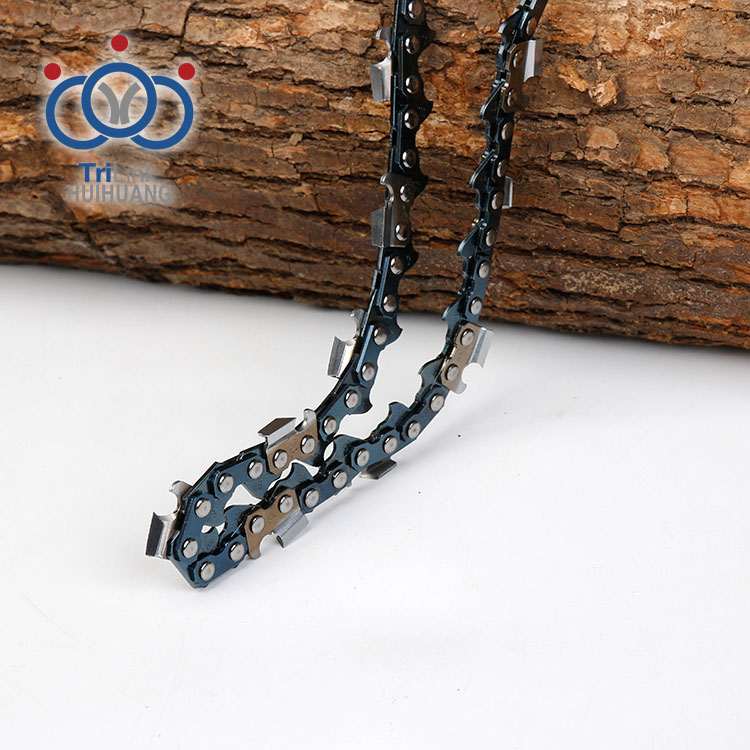
The durability of a chainsaw chain largely depends on the material used for its cutters. Carbide-tipped chains, while more expensive, offer significant benefits in terms of longevity. These chains remain sharp up to 25 times longer than their steel counterparts, making them ideal for tough jobs like cutting through hardwood or gritty conditions. However, for regular residential use, chrome-tipped steel cutters may be sufficient and more cost-effective.
The tooth shape of your chainsaw chain significantly affects its cutting performance. Full chisel chains are known for their aggressive cutting ability, as their square-cornered teeth slice through wood quickly and efficiently. They are ideal for clean, softwood cutting but lose their sharpness faster when cutting dirty or frozen wood.
On the other hand, semi-chisel chains have rounded teeth that are more forgiving, staying sharp longer and providing more durability. These chains are perfect for cutting hardwood, frozen wood, or working in dusty environments.
When choosing the right chainsaw chain for your task, full house and full skip arrangements are two common options. Full house chains have more teeth, providing smoother and more precise cuts, making them ideal for tasks like fine carpentry or milling. However, they may not be as fast as full skip chains. Full skip chains, with fewer teeth spaced farther apart, allow for faster cutting speeds, making them suitable for rougher tasks like clearing trees or cutting large logs.
Chain Type | Teeth Count | Cutting Speed | Finish | Best For |
Full House Chain | More teeth | Slower | Smoother, precise | Fine carpentry, milling, precision tasks |
Full Skip Chain | Fewer teeth | Faster | Rougher finish | Clearing trees, cutting large logs |
For tougher cutting tasks, square chisel chains are preferred by professionals. These chains are ideal for cutting hardwood, offering maximum efficiency. However, they require more frequent sharpening and are prone to kickback, making them better suited for experienced users. Semi-chisel chains, with rounded teeth, are more durable and work well in dirty or challenging environments. They offer a balance between speed and safety, making them perfect for less experienced users.
Chain Type | Tooth Shape | Cutting Speed | Durability | Best For |
Square Chisel Chain | Square-cornered | Fast | Less durable, frequent sharpening | Hardwood cutting, professional use |
Semi-Chisel Chain | Rounded corners | Slower | More durable, safer | Beginners, dirty environments, safety-conscious users |
Low-profile chains are designed with safety in mind. They reduce the risk of kickbacks, making them suitable for less experienced users. These chains have a lower tooth profile, which results in slower cutting speeds compared to other chains. However, they are perfect for those new to chainsaw operation. Narrow kerf chains are ideal when you need to cut faster and use less power. These chains are narrower, reducing the amount of wood removed and requiring less force to operate. They are great for fast cuts in softer wood, although they may not be as durable as thicker chains.
Chain Type | Tooth Profile | Safety | Cutting Speed | Best For |
Low-Profile Chain | Lower tooth profile | Reduced kickback | Slower | Beginners, safety-conscious users, less experienced chainsaw operators |
Narrow Kerf Chain | Narrower teeth | Moderate kickback | Faster | Fast cuts, softer wood, energy efficiency |
When cutting hardwood, the full chisel chains are the best option. They are designed for fast, aggressive cuts and can handle the density of hardwoods with ease. Brands like Rapco Industries offer carbide-tipped options that stay sharp much longer, ensuring high productivity.
For softer woods and firewood cutting, semi-chisel chains are a reliable choice. They may not be as fast as full chisel chains but they are more durable, staying sharp longer even in tough conditions. These chains are great for homeowners who need a versatile chain for various cutting tasks.
Micro-chisel chains are also a great alternative for homeowners who want to avoid frequent sharpening. They provide smoother cuts than semi-chisel chains, though at a slightly slower pace.
For heavy-duty commercial work, or in emergency situations, carbide-tipped chains like the Terminator are unbeatable. These chains can withstand tough environments, including cutting through timber mixed with dirt or even in firefighting conditions.
Professional loggers and emergency responders rely on the Rapco Terminator chain for its toughness and longevity.
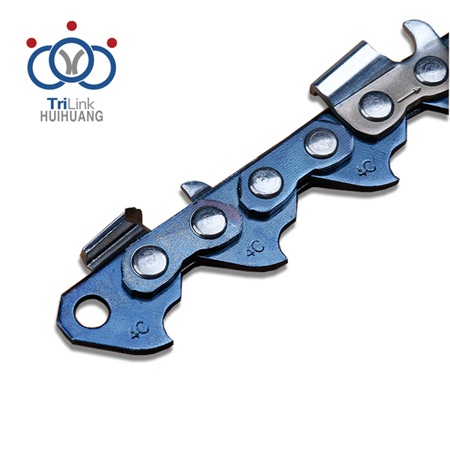
Keeping your chainsaw chain sharp is essential for maintaining cutting efficiency. A dull chain not only slows down your work but also increases the wear and tear on your chainsaw. Use a sharpening kit and maintain the correct filing angle for your chain (typically 25-35 degrees).
Tip: If you notice the chain not cutting efficiently, it’s time to sharpen it. Always file evenly across all teeth to maintain balance and reduce the risk of damage.
After each use, clean the chain to remove sap, dirt, and debris. This will prevent buildup that can affect the chain's performance. Also, check the chain tension regularly. A loose chain can cause dangerous kickbacks, while a tight chain can damage the saw and wear out the parts more quickly.
Proper storage is crucial for extending the lifespan of your chainsaw chain. Store your chainsaw in a dry place to prevent rust and corrosion. If you’re storing it for long periods, consider applying a thin layer of oil to protect the chain.
Choosing the right chainsaw chain depends on your specific needs, whether for casual use or heavy-duty tasks. Proper maintenance is key to extending its lifespan and ensuring cutting efficiency. ZHEJIANG TRILINK HUIHUANG CO. LTD. offers durable and efficient chainsaw chains that provide great value through superior performance and excellent customer service.
A: The best chainsaw chain for hardwood is typically a full chisel chain. It provides fast, aggressive cuts, making it ideal for dense, tough wood like hardwood.
A: To choose the right chainsaw chain, consider factors like chain pitch, gauge, and the material you’re cutting. Ensure the chain matches your saw’s specifications for optimal performance.
A: Regular maintenance ensures your chainsaw chain stays sharp and efficient. It reduces wear and tear, extends chain life, and maintains cutting accuracy.
A: Sharpen your chainsaw chain when it begins to cut slower or leaves rough cuts. Typically, this is needed after several hours of use, depending on the material.
A: A chainsaw chain is designed for general cutting, while a mill chain, often used in milling, is designed to provide smoother cuts when turning logs into lumber.
A: High-quality chainsaw chains can range from $15 to $50, depending on factors like material (e.g., carbide-tipped) and intended use.