
Views: 0 Author: Site Editor Publish Time: 2026-01-13 Origin: Site


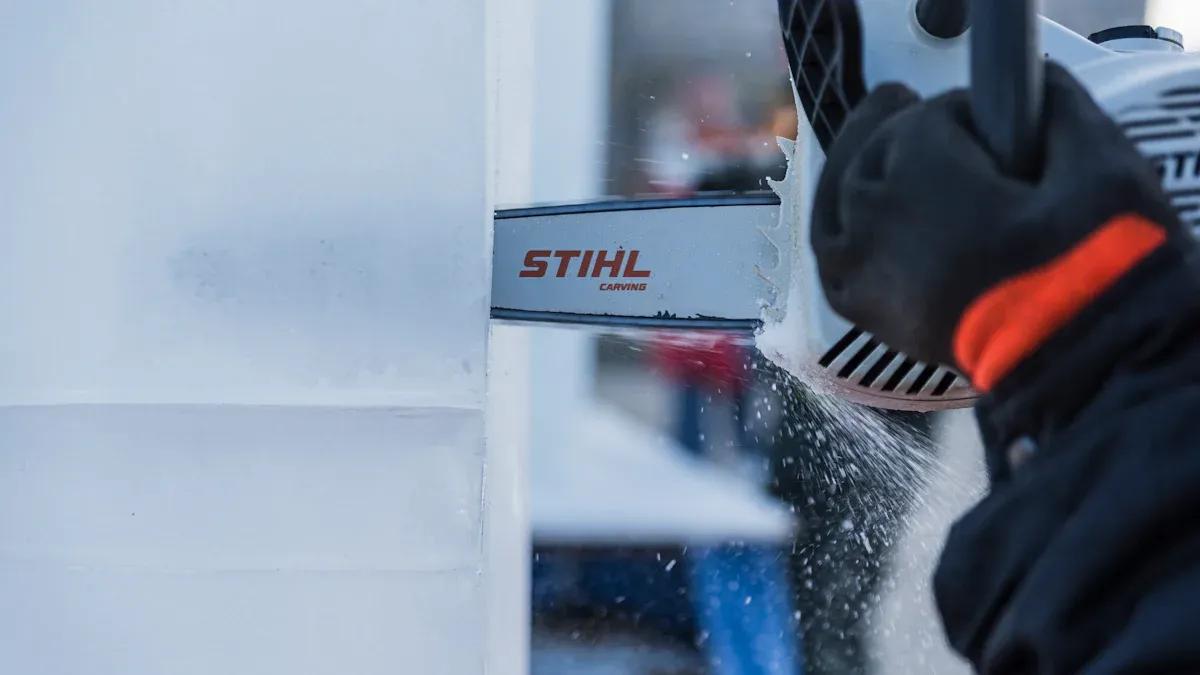
A chainsaw bar is the long, flat metal piece that holds the cutting chain on your chainsaw. If you know how chainsaw bars work, you can stay safer, cut better, and make your tool last longer. The right chainsaw bar helps you work easier and safer. It gives you better balance, less shaking, and a smoother cut.
Look at the table below to see how different parts of a chainsaw bar can change how well it works and how long it lasts:
| Feature | Impact on Performance and Longevity |
|---|---|
| Material Quality | Good bars last longer and do not rust easily. |
| Bar Length | The right length fits your chainsaw and your job. |
| Weight & Balance | Lighter bars make you less tired and help you control it. |
| Vibration Levels | Less shaking keeps you safe and comfortable. |
It does not matter if you cut wood for work or just for fun. Knowing about your chainsaw bar helps you do the job well.
Pick the right chainsaw bar length for your job. The right size helps you stay safe and in control.
Choose a chainsaw bar made from good materials. Steel is strong and lasts long. Aluminum and carbon fiber are lighter to use.
Clean and oil your chainsaw bar often. This care stops damage and helps your tool work well.
Always look at the chain pitch, gauge, and drive links before putting on a new bar. If they match, your chainsaw will work safely and well.
Check your chainsaw bar for damage every time before you use it. Get a new one if you see a lot of wear. This helps you avoid getting hurt.
A chainsaw bar is the main metal piece that holds the cutting chain on your chainsaw. You use it to guide the chain as it spins and cuts through wood. The bar sits at the front of the chainsaw and gives you control over each cut. Most chainsaw bars are made from strong materials like hardened steel. This helps them last longer and resist wear, even when you use your chainsaw often.
Many new users think that a bigger chainsaw bar always works better. This is not true. If you pick a bar that is too long for your chainsaw, you can lose control and risk accidents. A large bar can also make your chainsaw heavy and hard to handle. You need a bar that matches your chainsaw’s power and your cutting needs.
Tip: Choose a chainsaw bar that fits your chainsaw and the job you want to do. A well-balanced setup keeps you safe and makes your work easier.
The guide bar does more than just hold the chain. It plays a big role in how your chainsaw works and how well it cuts. Here are some key functions:
The guide bar keeps the chain moving in a straight line, so you get clean and accurate cuts.
The design of the guide bar helps reduce vibration. Less shaking means you stay comfortable and safe while you work.
A longer guide bar lets you cut bigger logs, but it needs more power from your chainsaw. You must balance bar length with your chainsaw’s strength.
High-quality guide bars, like those made from hardened steel, last longer and help you cut more efficiently.
Regular cleaning and oiling of the guide bar prevent friction and wear. This keeps your chainsaw running smoothly.
If you understand how the guide bar works, you can make better choices and keep your chainsaw in top shape.
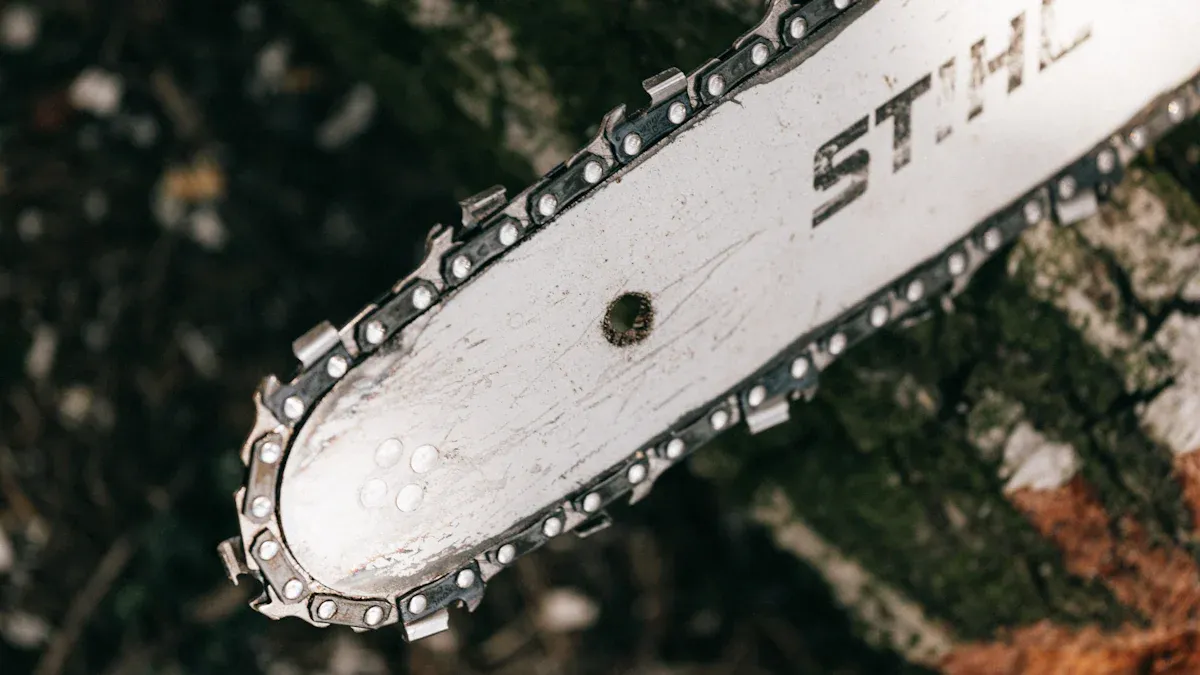
When you look at a chainsaw bar, you see more than just a piece of metal. Each part has a special job that helps your chainsaw work safely and efficiently. Here are the main parts and what they do:
Bar Body: This is the main section of the chainsaw bar. It acts as the track for the cutting chain and gives the bar its strength.
Groove or Rail: You find this slot running along the edge of the bar body. The chain sits in this groove and moves smoothly as you cut.
Nose: The tip of the bar can be solid or have a sprocket. The nose helps guide the chain around the end of the bar and makes cutting easier.
Mounting Holes: These holes let you attach the bar to your chainsaw. They keep the bar steady while you work.
Guide Slot: This channel helps the chain stay on track and keeps your cuts straight.
Tip: Knowing each part of your chainsaw bar helps you spot problems early and keep your tool in good shape.
Manufacturers use different materials to make chainsaw bars. The material affects how heavy, strong, and long-lasting your bar will be. Here is a table showing the most common materials and their advantages:
| Material | Advantages |
|---|---|
| Steel | Strong and durable. It gives you a long-lasting bar for tough jobs. |
| Aluminum | Lightweight. It makes your chainsaw easier to handle and reduces fatigue. |
| Carbon Fiber | High strength-to-weight ratio. You get a strong bar without extra weight. |
| Titanium Alloys | Excellent strength and resists rust. This material helps your bar last longer. |
You should choose a chainsaw bar made from a material that matches your needs. Steel bars work well for heavy-duty tasks. Aluminum and carbon fiber bars help if you want less weight and more control. Titanium alloys give you both strength and a long life for your bar.
You need to know the correct chainsaw bar length before you buy a new chain or replace your bar. The process to measure chainsaw bars is simple if you follow the right steps. You can use a tape measure and a flat surface to get an accurate measurement. Here is the standard way to measure chainsaw bar length:
Place your chainsaw on a flat surface and make sure it is fully extended.
Find the tip of the bar, which is the rounded end farthest from the chainsaw body.
Locate the bar mounting shoulder where the bar meets the body of the chainsaw.
Use a tape measure to measure the distance from the tip to the shoulder, keeping the tape straight.
Write down the measurement in inches. This number shows the usable cutting length.
You should always use this method when you measure chainsaw chains or chainsaw bars. This helps you avoid mistakes and keeps your chainsaw working well.
Tip: Always double-check your measurement before you buy new parts. Accurate bar length measurement saves you time and money.
Getting the right chainsaw bar length is important for safety and performance. If you use the wrong measurement, you can face several problems:
Incorrect bar and chain sizes can create safety hazards.
The wrong size may damage your equipment.
You may notice poor cutting performance if the sizing is off.
You should measure chainsaw chains and bars carefully every time you replace them. Accurate measurement helps you match the right parts and keeps your chainsaw running smoothly. Measuring bar length the right way also protects you from accidents and costly repairs. When you focus on accurate bar length measurement, you make your work safer and more efficient.
When you look at chainsaw guide bar options, you will see solid and laminated bars. Solid steel bars give you maximum durability. You can use them for heavy-duty jobs like logging or cutting hardwood. Laminated bars use layers of metal. These bars offer a good balance of strength and weight. You will find them on many consumer chainsaws. Laminated bars may not last as long in tough conditions, but they work well for most home tasks.
Here is a table to help you compare:
| Type | Durability | Application |
|---|---|---|
| Solid Steel Bars | Extremely durable, long lifespan | Ideal for heavy-duty use |
| Laminated Bars | Good balance of durability, may delaminate under extreme conditions | Common in mid-range consumer saws |
If you want a chainsaw guide bar for tough jobs, choose solid steel. For lighter work, laminated bars are a smart pick.
You will see special chainsaw guide bar designs for unique tasks. Carving bars help you make detailed cuts. These bars work best for garden art or shaping wood. Sprocket nose bars use a small wheel at the tip. This design helps the chainsaw chain move smoothly and reduces friction. Hard nose bars have a solid tip. You can use them for dirty jobs like cutting stumps or railroad ties. Dirt and grit do not damage hard nose bars easily.
Carving bars: Best for detailed work and garden projects.
Sprocket nose bars: Reduce friction and help the chainsaw chain last longer.
Hard nose bars: Handle tough, dirty cutting tasks.
TRILINK HUIHUANG offers carving bars, sprocket nose bars, and hard nose bars. You can match the guide bar to your task for better results.
Chainsaw guide bar choices include specialty bars for unique jobs. Pro Series bars give you strength and long life. You can use them for logging and heavy-duty cutting. Light Weight Series bars help you work longer without getting tired. These bars are great for limbing and precise cuts. Carving Series bars let you shape wood with control and finesse.
Here is a table showing the main benefits:
| Chainsaw Bar Series | Primary Benefits |
|---|---|
| Pro Series | Designed for logging professionals, offering strength and longevity for heavy-duty tasks. |
| Light Weight Series | Reduces fatigue during extended use, ideal for limbing and precise cutting operations. |
| Carving Series | Allows for detailed cuts and artistic shaping, providing control and finesse for carving. |
When you shop for chainsaw guide bar options, think about your main tasks. Guide bars for pruning chainsaws help you trim branches with ease. Reading the chainsaw bar specs helps you pick the right tool. If you are shopping for chainsaw chains, match the chain to your guide bar for safe and smooth cutting. TRILINK HUIHUANG gives you many choices, so you can find the best chainsaw bars for your needs.
When you choose a chainsaw bar, you need to think about several important factors. The right choice helps you work safely and efficiently. Start by looking at the length of the bar. The effective cutting length tells you how much wood you can cut in one pass. This length is usually a bit shorter than the total bar length. You should always check the effective cutting length before you start a job.
Here is a table to help you understand what to consider when picking the right length:
| Factor | Description |
|---|---|
| Bar Length and Cutting Tasks | The effective cutting length is slightly less than the stated bar length, affecting cutting capacity. |
| Engine Power and Bar Length | Longer bars require more engine power; electric saws work best with shorter bars. |
| Safety Considerations | Longer bars have a higher kickback risk; shorter bars are safer for beginners. |
| Maintenance Requirements | Longer bars need more frequent tension adjustments and lubrication checks. |
| User Experience | Beginners should start with shorter bars for better control; professionals may need longer bars. |
The material and weight of the guide bar also matter. A lighter bar can help you work longer without getting tired. If you use a heavy bar, you may feel tired faster, and this can make it harder to control your chainsaw. The weight of the bar affects how comfortable you feel and how well you can guide the saw. You want a bar that feels balanced in your hands.
A lighter chainsaw can significantly reduce user fatigue, especially during long jobs.
Heavier chainsaws can lead to quicker fatigue, which may compromise your control and safety.
The weight of the chainsaw affects comfort and control, impacting your cutting efficiency.
Tip: Always check the effective cutting length, the material, and the weight before you buy a new chainsaw bar. These factors help you stay safe and get the best results.
You need to match your chainsaw bar to both your cutting task and your chainsaw model. This step keeps your work safe and your equipment running well. Start by thinking about what you plan to cut. If you want to cut large logs, you need a longer effective cutting length. For small branches or pruning, a shorter bar works better.
Follow these steps to make sure you pick the right bar:
Choose a bar length that fits your cutting tasks. Longer bars handle bigger trees, but they can be harder to control.
Make sure the bar groove width, or gauge, matches your chainsaw chain. The chain must fit snugly in the groove for smooth cutting.
Check the bar mount type. Different chainsaw models use different mounts, so always make sure your bar fits your saw.
Look at the material. Most standard bars use chrome-moly steel, but you can find specialty bars in lighter materials for special jobs.
You should also think about the type of work you do. Heavy-duty logging needs a strong bar and a full chisel chain. Light pruning works best with a low-profile chain and a lighter bar. Lightweight bars may not handle aggressive cutting, so use them for smaller jobs.
When you select a guide bar, always match the pitch and gauge of the chain to the bar. The pitch is the distance between the drive links. If the pitch does not match, the chain will not sit right in the groove. This can cause binding and poor cutting. The gauge is the thickness of the drive link. If the gauge is too thin, the chain may slip out. If it is too thick, the chain will bind and create friction.
Professional users often choose longer bars and more powerful chainsaws. They look for features like automatic chain oilers and tool-free tensioning. DIY users usually pick lighter chainsaws with shorter bars. They want tools that are easy to use and simple to maintain.
Note: Always check your chainsaw manual for the recommended bar sizes and types. Using the right bar keeps your chainsaw safe and helps you get the most from your tool.
When you focus on the effective cutting length, the material, and the fit, you make sure you have a matching chainsaw bar for every job. This careful choice helps you work faster, safer, and with better results.
When you choose a chainsaw bar, you need to check three main things: chain pitch, chain gauge, and drive links. These features help you find the right fit for your chainsaw and chain. If you get them wrong, your chainsaw will not work well.
Chain pitch tells you the size of the cutting teeth and the groove in the guide bar. You must match the chain pitch to your chainsaw bar for smooth cutting. Measuring chain pitch helps you pick the right chain for your job.
Chain gauge shows how thick the drive links are. The chain gauge must fit snugly in the bar groove. If the chain gauge is too small, the chain will wobble. If it is too big, the chain will bind. Measuring chain gauge helps you avoid these problems.
The number of drive links matches the bar length. You need the right number of drive links to keep the chain tight and safe. If you use the wrong number, your chainsaw may not run smoothly.
You should always check these features before you buy a new bar or chain. TRILINK HUIHUANG offers many guide bars and chains with different chain pitch and chain gauge sizes. You can find a matching chain type for almost any chainsaw model.
Using the right chainsaw bar keeps you safe and helps your chainsaw last longer. If you use a bar that does not fit, you may lose control of your chainsaw. You could face more kickback and damage your equipment. Always match the chain pitch, chain gauge, and drive links to your chainsaw and guide bar.
You can use your chainsaw manual to check the right sizes. Many brands, including TRILINK HUIHUANG, make it easy to find compatible bars and chains. Look for clear labels on the packaging. You can also ask for help at your local store.
Here is a table to help you remember what to check:
| Feature | Why It Matters | How To Check |
|---|---|---|
| Chain Pitch | Fits the bar groove and cutting teeth | Use a ruler or caliper |
| Chain Gauge | Keeps the chain snug in the groove | Measure the drive link |
| Drive Links | Matches the bar length | Count the links on the chain |
Tip: Always double-check your chain pitch, chain gauge, and drive links before you install a new bar or chain. This step helps you avoid mistakes and keeps your chainsaw safe.
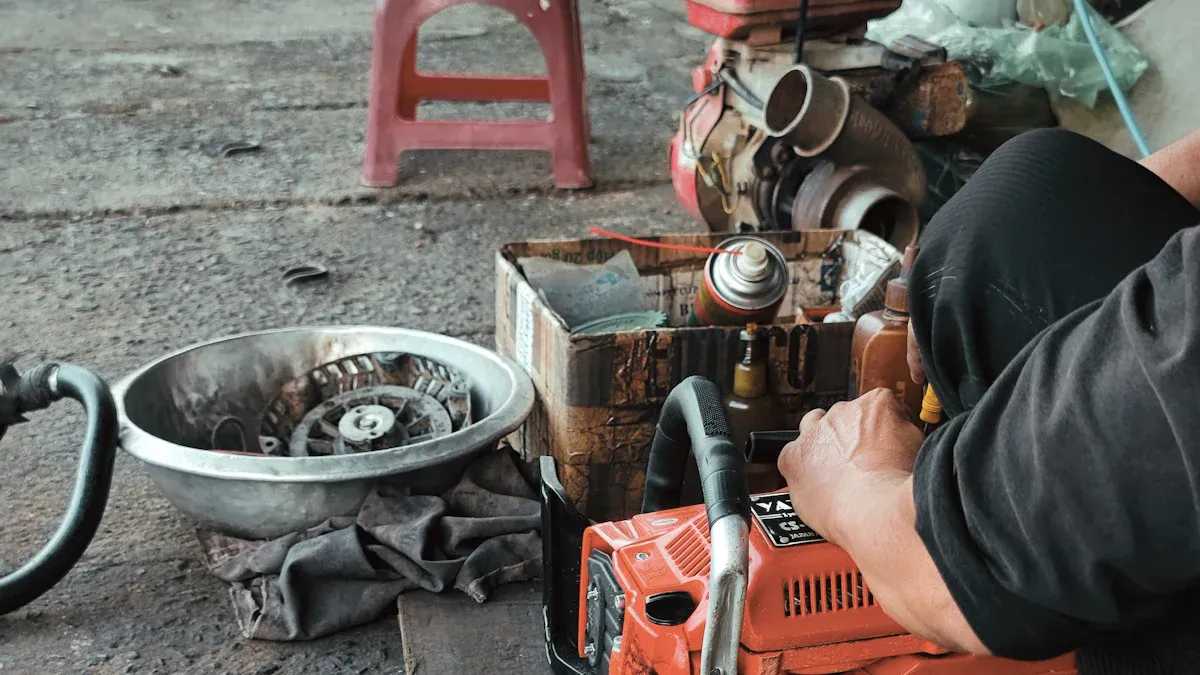
You need to clean and lubricate your chainsaw bar often to keep your chainsaw working well. Dirt and sawdust can block the oil ports, which leads to premature wear. Regular lubrication prevents overheating and reduces friction between moving parts. You should refill the bar oil reservoir every time you add fuel. If you use an electric chainsaw, refill the oil before each use. Cleaning the guide bar groove and applying lubricating oil help your chainsaw bar last longer.
Tip: Always inspect and clean the bar to ensure proper oil flow. Blocked oil ports can damage your chainsaw bar quickly.
You should check your chainsaw bar for signs of wear and damage before each use. Look for chips, grooves, or deep scratches along the bar edges. Sharp burrs or rough edges can cause the chain to come off. If you see severe burrs that you cannot file down, you need to replace the bar. Inconsistent cutting performance, like rough cuts or the chainsaw pulling to one side, may mean the bar is bent or worn. A damaged or seized nose sprocket also signals that it is time for a new bar.
Here is a simple checklist:
Inspect the bar for uneven wear patterns.
Keep the chain sharp for efficient cutting.
Clean the chainsaw regularly to prevent damage.
You should replace your chainsaw bar if you find significant wear or damage. Manufacturers recommend checking for groove wear, bar nose wear, and visible damage. Use a depth gauge to measure groove depth and check for chain elongation. If the nose sprocket is cracked or seized, you need a new bar. Regular tension adjustment and cleaning help extend the life of chainsaw bars, but replacement is necessary when you spot major problems.
| Sign of Damage | What To Do |
|---|---|
| Deep grooves or chips | Replace the bar |
| Bent or warped bar | Replace the bar |
| Seized nose sprocket | Replace the bar |
Note: Proper cleaning, lubrication, and inspection keep your chainsaw bar safe and efficient. Replace the bar when you see serious wear to avoid accidents.
Installing a chainsaw bar might seem simple. Small mistakes can cause big trouble. If you use bad oil or the wrong fuel, your chainsaw will not work well. Cutting with a dull chain makes the job harder and less safe. Not wearing safety gear puts you in danger. Using the wrong ladder or standing in a risky spot can lead to accidents. Loose chain tension and not caring for your chainsaw can cause kickback or damage. Trying jobs that are too hard for you is also risky.
Tip: Always read your chainsaw manual before you start. Check the chain tension and make sure the bar is tight.
Common installation mistakes:
Using the wrong fuel or oil
Cutting with a dull chain
Not wearing safety gear
Using unsafe ladders
Ignoring chain tension
Standing in risky spots
Doing jobs that are too hard
Picking the wrong chainsaw bar for your job can be unsafe. If your bar and chain do not match, you may notice binding and bad cuts. This makes your chainsaw harder to use and less helpful. A damaged bar can break the chain and make it hard to keep tight. These problems can cause accidents and make your work harder.
Note: Always pick the right bar and chain for your chainsaw. This helps you cut better and stay safe.
Not taking care of your chainsaw bar makes it wear out faster. You may have more problems if you skip cleaning and oiling. Cleaning your chainsaw bar after each use stops resin and sawdust from building up. This helps your chainsaw work well and last longer. Checking your chainsaw often helps you find problems early and lowers the chance of kickback or accidents.
Wears out faster
Works worse
More chance of breaking
Cleaning and checking your chainsaw bar helps it last longer and keeps you safe.
You should choose the right chainsaw bar to stay safe. This helps you get the best results from your chainsaw. Checking your chainsaw bar often and taking care of it makes it last longer. Good maintenance also helps your chainsaw work better. People have different opinions about top brands. Some like Oregon or Dolmar because they are strong. Others say Cannon bars last the longest. Brands like TRILINK HUIHUANG can make cutting easier for you. If you want to talk about your experience or ask questions, you can join forums or take community classes.
| Forum Name | Requirements |
|---|---|
| Arborist, Chainsaw & Tree Work Forum | You need 30 posts and 45 days as a member, or you can post right away if you become a Supporting Member. |
You can also get help from outdoor classes and local groups.
Share your ideas or questions below so others can learn more about chainsaw bars.
You should check your chainsaw bar before each use. Replace it if you see deep grooves, a bent shape, or a damaged nose sprocket. Most users replace bars every few years with regular use.
Use a brush to remove sawdust and dirt. Wipe the bar with a clean cloth. Make sure the oil holes are clear. You can use a small wire to clean the groove.
No, you must match the bar to your chainsaw model. Check the pitch, gauge, and mount type. Using the wrong bar can cause safety problems.
| Bar Type | Main Feature | Best Use |
|---|---|---|
| Sprocket Nose | Has a rolling tip | Smooth, fast cutting |
| Hard Nose | Solid tip | Dirty or tough jobs |
Count the drive links. Measure the pitch and gauge. Check your chainsaw manual for the right sizes. Matching these features keeps your chainsaw safe and working well.