Views: 0 Author: Site Editor Publish Time: 2026-05-28 Origin: Site


Ever wonder why some chainsaws cut wood faster than others? The secret often lies in the chisel chain.
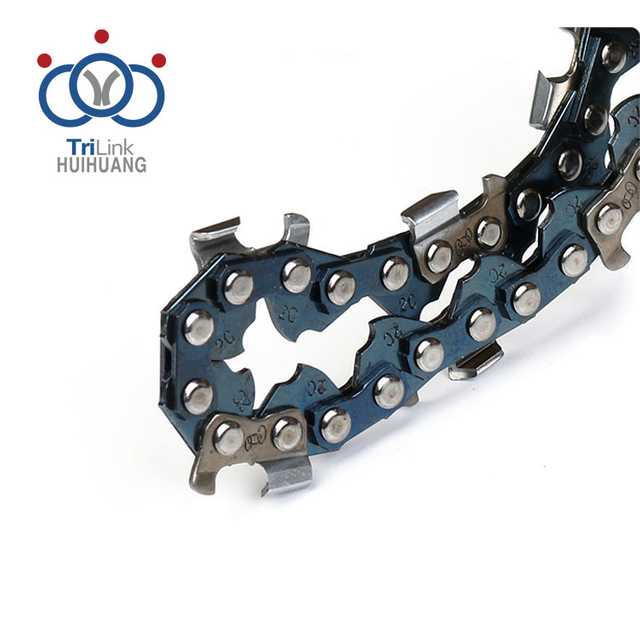
A chisel chain features sharp, square-cornered teeth that boost cutting speed and efficiency. Cutting speed matters because it saves time and effort.
In this post, you’ll learn what makes chisel chains faster and how to choose the right one for your needs.
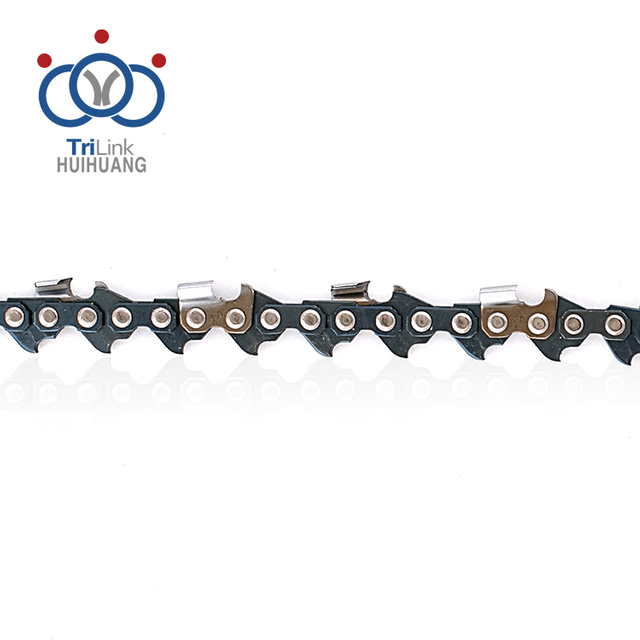
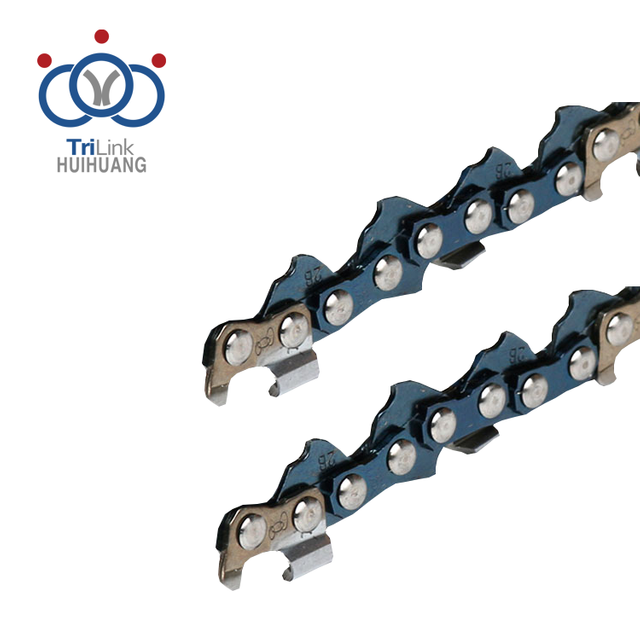
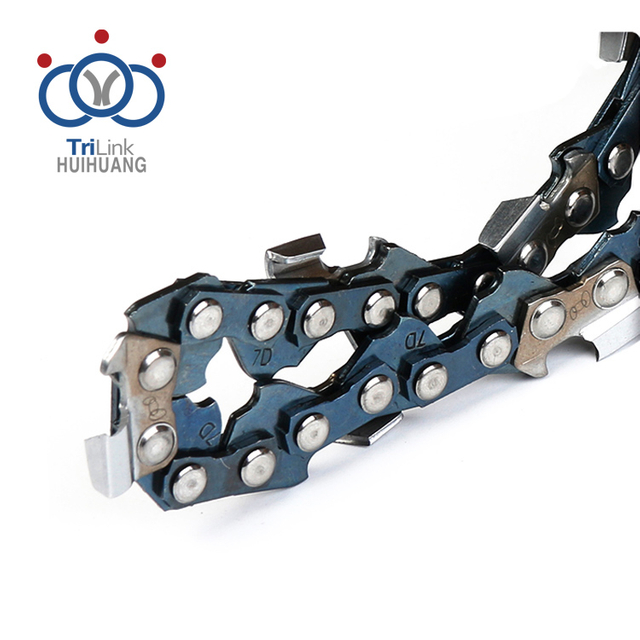
Chisel chains feature square-cornered teeth that set them apart from other chainsaw chains. This design sharpens the cutting edge into a precise corner rather than a rounded shape. The sharp square corners slice through wood fibers more efficiently, reducing the effort needed to cut. Because of this, chisel chains can make faster, cleaner cuts, especially on softwood and clean timber. The square edges act like tiny knives, severing wood fibers quickly rather than crushing or tearing them.
There are two main types of chisel chains: full chisel and semi chisel. Full chisel chains have teeth with sharp, square corners on every cutter, offering the fastest cutting speed. They excel in clean wood and are highly aggressive, making them ideal for professional use or tasks requiring quick, deep cuts.
Semi chisel chains have rounded corners on their cutters, which slows cutting speed slightly but improves durability. They resist dulling better and handle dirty or knotty wood with less damage. Semi chisel chains are less aggressive and easier to maintain, making them a good choice for general use or less experienced operators.
In short, full chisel chains cut faster but demand more frequent sharpening and careful handling. Semi chisel chains cut slower but last longer between sharpenings and are safer in rough conditions.
The tooth shape on chisel chains reduces resistance during cutting. The sharp, square corners concentrate cutting force on a smaller surface area, allowing the chain to bite into wood fibers cleanly. This reduces friction and heat buildup, letting the chain move through wood faster and more efficiently.
In contrast, rounded teeth spread the cutting force over a wider area, increasing resistance and slowing the cut. This is why full chisel chains can cut 20-25% faster than round chains and about 10-15% faster than square-ground round chains (examples from industry tests require further verification).
However, the sharp corners on chisel chains are more fragile. They can dull or bend easily if they hit dirt, knots, or hard objects, which increases resistance and slows cutting speed until sharpened again.
Full chisel chains have sharp, square-cornered teeth on every cutter. This design makes them the fastest cutting chains available, especially on bars 24 inches or shorter. The high number of teeth allows for smooth, quick cuts through softwood and clean timber. Professionals often prefer full chisel chains for felling and bucking because they deliver aggressive, deep cuts with minimal effort.
However, full chisel chains require frequent sharpening. Their sharp corners are delicate and can dull or bend when hitting dirt, knots, or hard objects. This reduces cutting speed and demands careful maintenance. These chains excel in clean wood but are less suited for dirty or abrasive conditions.
Chisel skip chains differ by having fewer teeth spaced further apart. This design suits chainsaws with bars longer than 24 inches. The larger gaps between teeth allow wood chips to clear more easily, preventing clogging and overheating during long, wide cuts like tree felling or large log processing.
Skip chains cut slightly slower than full chisel chains on small wood but maintain cutting speed better on big jobs. They also reduce wear and tear on the chainsaw’s engine by lowering chain resistance. This makes chisel skip chains ideal for heavy-duty cutting tasks requiring longer bars.
Choosing between full chisel and chisel skip chains depends on your saw’s bar length, the wood you cut, and the task type:
Use full chisel chains for bars 24 inches and under when cutting clean, softwood quickly and precisely.
Opt for chisel skip chains on bars longer than 24 inches or when cutting large diameter wood to avoid clogging and maintain chain speed.
For dirty or knotty wood, consider semi chisel chains instead, as they hold edges longer and resist damage better.
In summary, full chisel chains offer maximum cutting speed and aggression on smaller bars, while chisel skip chains balance speed and chip clearance on larger bars.
The length of your chainsaw bar plays a big role in choosing the right chisel chain and how fast it cuts. Short bars, usually 24 inches or less, work best with full chisel chains. These chains have more teeth packed closely together, allowing for quicker, smoother cuts on smaller wood pieces. The high tooth count means the chain bites into wood more times per second, speeding up the cut.
For longer bars, over 24 inches, full chisel chains can cause clogging because the wood chips have less space to clear. This slows cutting speed and puts more strain on the saw. That’s where chisel skip chains come in. They have fewer teeth spaced further apart, creating wider gaps that let chips clear easily during big cuts. This keeps the chain running smoothly and maintains good cutting speed on large logs or tree felling jobs.
Choosing the wrong chain for your bar length can reduce efficiency. Using a full chisel chain on a long bar risks overheating and slower cuts. Using a skip chain on a short bar results in rough cuts and more vibration. Match your chain type to bar length for optimal speed and performance.
Chain pitch is the distance between chain links and directly affects cutting speed and power. A larger pitch means bigger teeth and more aggressive cutting but requires more power from the saw.
The .404 pitch is popular for chisel chains because it balances speed and power well. It offers large, sharp cutters that slice through wood quickly, perfect for professional or heavy-duty use. The .404 pitch suits mid to large-sized chainsaws, enabling fast, deep cuts without bogging down the engine.
Smaller pitches like .325 are less aggressive and cut slower but are easier to control and safer for lighter saws or less experienced users. Using a chain pitch not designed for your saw can cause poor performance or damage.
To get the fastest cuts, match your chisel chain to your chainsaw’s bar length, pitch, and power rating:
Use full chisel chains with bars 24 inches or less and a .404 pitch for fast, clean cuts on softwood or clean timber.
For bars longer than 24 inches, choose chisel skip chains with the right pitch to prevent clogging and maintain speed.
Confirm chain pitch matches your chainsaw’s sprocket and guide bar to avoid fitment issues.
Consider your saw’s horsepower; aggressive chains like full chisel need enough power to maintain speed without stalling.
By aligning these factors, you maximize cutting efficiency and reduce wear on your chainsaw.

Fast cutting chains like full chisel chains are also highly aggressive. Aggression refers to how forcefully the chain bites into wood. The sharp square-cornered teeth of chisel chains remove wood quickly, creating deep, rapid cuts. This aggression helps finish jobs faster but demands careful control. The chain’s aggressive nature means it can grab wood suddenly, requiring steady handling to avoid accidents.
One major risk with fast, aggressive chisel chains is kickback. Kickback happens when the chain’s tip strikes an object or binds in wood, causing the saw to jerk back toward the operator. Because chisel chains cut so aggressively, the chance of kickback is higher compared to less aggressive chains like semi chisel or round chains.
To stay safe, operators should:
Always hold the chainsaw firmly with both hands.
Avoid cutting with the tip of the bar.
Use chainsaws equipped with kickback-reducing features like chain brakes.
Wear personal protective equipment (PPE) including gloves, eye protection, and chainsaw chaps.
Keep the chain sharp and properly tensioned to reduce the chance of binding.
Due to their aggressive cutting and higher kickback risk, fast chisel chains are best for experienced users. New operators should first master safer, slower chains before moving to full chisel chains. Training helps users learn proper cutting techniques and how to react to kickback incidents.
Professional loggers and arborists often undergo formal chainsaw safety courses before using aggressive chains. Even experienced users must remain vigilant and respect the chain’s power. Using a fast chisel chain without proper skill or safety gear increases the risk of serious injury.
Full chisel chains cut faster but need sharpening more often. Their sharp, square-cornered teeth slice wood cleanly but have thin edges. These edges dull quickly, especially if the chain hits dirt, knots, or hard materials. The sharp corners can also bend or chip, reducing cutting efficiency. When that happens, the chain no longer cuts smoothly and slows down. Frequent sharpening restores the sharp edges and keeps the chain cutting fast.
Because full chisel chains have less metal supporting the cutting corner, damage happens easily. Even small impacts can bend the tooth tips, making the chain push wood fibers instead of cutting them. This means you must inspect the chain regularly and sharpen or repair teeth promptly to maintain top performance.
Sharpening full chisel chains is more demanding than semi chisel chains. You need to maintain the exact square shape of the tooth’s cutting edge. This usually requires a special square file or a dedicated chisel chain grinder to get the precise angles. Filing must be done carefully to avoid rounding off the sharp corners, which would reduce cutting speed.
Semi chisel chains have rounded corners, making them easier to sharpen with a standard round file. Their shape is more forgiving, so slight filing errors don’t hurt performance much. Semi chisel chains also stay sharp longer since their edges are less fragile.
In contrast, full chisel chains lose their sharpness quickly and need more frequent, precise sharpening to keep the square corners intact. This can be time-consuming and requires more skill or specialized tools.
Maintaining full chisel chains requires the right tools and techniques:
Square Chain File or Grinder: Use a square file designed for chisel chains or a powered grinder with a square grinding wheel. These tools help maintain the sharp, square edges.
Depth Gauge Tool: Check and adjust the depth gauges (rakers) regularly. Proper depth ensures the cutters bite into wood correctly.
Consistent Filing Angle: Maintain the manufacturer’s recommended filing angle, usually around 25-35 degrees, to keep tooth shape and cutting efficiency.
Frequent Inspections: Examine the chain teeth before and after use. Look for dullness, chips, or bent corners.
Proper Tension: Keep the chain tensioned correctly to avoid excessive wear and ensure smooth cutting.
For semi chisel chains, a round file and simple depth gauge tool are usually sufficient. They require less frequent sharpening and are easier to maintain, making them suitable for less experienced users or rough cutting conditions.
Choosing the right chisel chain depends on several key factors. First, consider the type of wood you’ll be cutting. Softwood and clean wood are ideal for full chisel chains because they allow the sharp, square teeth to cut quickly and cleanly. Hardwoods, knotty, or dirty wood can dull the chain faster and may require a more durable chain type.
Next, think about the cutting task. For fast, precise cuts like felling small to medium trees or bucking clean logs, full chisel chains excel. If you’re doing rougher work or cutting larger logs with a longer bar, a chisel skip chain or semi chisel chain might be better. They handle chip clearance and wear more effectively in tougher conditions.
Your chainsaw’s power also matters. Full chisel chains need enough horsepower to maintain speed without bogging down. Using an aggressive chain on an underpowered saw can cause stalling or increased wear. Match the chain aggressiveness to your saw’s power for optimal performance.
Chisel chains shine on softwood and clean wood. Their square-cornered teeth slice fibers quickly, making cutting faster and smoother. This reduces operator fatigue and speeds up work. The clean cuts also help avoid crushing the wood, which is important for timber quality or firewood preparation.
Because the teeth cut aggressively, chisel chains require less force from the operator. This means you can finish jobs faster and with less strain. Professionals often choose full chisel chains for these reasons when working in ideal wood conditions.
Semi chisel chains are a great alternative when conditions get tough. Their rounded teeth resist dulling better and handle dirty, knotty, or frozen wood with less damage. They don’t cut quite as fast but last longer between sharpenings and are safer for less experienced users.
If you work mostly in rough terrain or with mixed wood types, semi chisel chains reduce maintenance time and costs. They also lower kickback risk compared to full chisel chains, making them a safer choice for many.
For very abrasive or dirty environments, consider round or carbide chains. These last longest but cut slower. The choice depends on balancing cutting speed, maintenance, and safety for your specific needs.
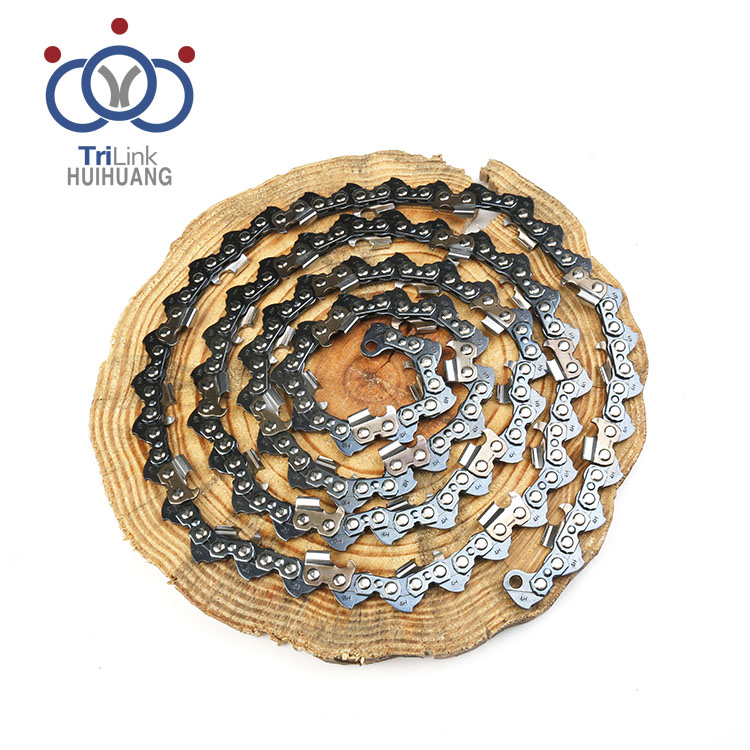
Many professionals favor square-ground chisel chains for their unmatched cutting speed and precision. These chains feature teeth sharpened to a precise square edge rather than a rounded one. This design slices wood fibers cleanly and quickly, making the chain highly efficient for demanding tasks like timber felling or bucking.
Square-ground chisel chains offer the fastest cutting performance among common chain types. Their sharp corners reduce cutting resistance and boost productivity. However, this precision comes at a cost: the edges are fragile and require expert sharpening to maintain peak performance. Professionals often use specialized square grinders to keep these chains razor-sharp.
There are three main cutter tooth shapes used by professionals:
Round Cutter Chains: These have rounded teeth that are easier to sharpen and more durable. They cut slower but hold their edge longer, especially in dirty or abrasive conditions.
Square-Ground Round Chains: These chains have square-shaped teeth but are sharpened with a round file. They cut about 10-15% faster than round chains and offer a good balance between speed and ease of maintenance.
Square-Ground Chisel Chains: These have square teeth sharpened with a square file or grinder. They cut 20-25% faster than round chains and outperform the other types in clean wood cutting.
The sharpness and shape of the square-ground chisel chain’s teeth let it slice fibers more efficiently. But the tradeoff is reduced edge durability and more difficult sharpening compared to round cutters.
While square-ground chisel chains excel in speed, they require frequent maintenance. Their sharp corners dull quickly if they hit dirt, knots, or hard objects. This reduces cutting speed and demands regular sharpening to restore efficiency.
Round cutter chains have better stay-sharp ability because their edges are larger and better supported. They are preferred in dirty or abrasive environments where frequent sharpening isn’t practical.
Professionals choose square-ground chisel chains when working mostly in clean, softwood forests where cutting speed matters most. They invest in proper sharpening tools and skills to manage the chain’s fragility.
In contrast, round chains suit harsh conditions or operators who prioritize durability and ease of maintenance over maximum speed.
Chisel chains cut faster due to their sharp square-cornered teeth that slice wood fibers efficiently. This design reduces resistance and increases cutting speed, especially in softwood and clean timber. Balancing speed with safety and maintenance is crucial, as full chisel chains require frequent sharpening and careful handling to avoid kickback. Selecting the right chain type and matching it to your saw ensures optimal performance. ZHEJIANG TRILINK HUIHUANG CO.TTD offers high-quality chisel chains that deliver fast, reliable cuts while supporting user safety and durability.
A: A chisel chain features square-cornered teeth designed to cut wood fibers more efficiently, enabling faster and cleaner cuts compared to other chains.
A: The sharp square corners on a chisel chain concentrate cutting force on a smaller area, reducing resistance and allowing the chain to slice through wood fibers quickly.
A: Full chisel chains cut faster due to sharper square teeth but require frequent sharpening, while semi chisel chains cut slower but are more durable and better for dirty or knotty wood.
A: Full chisel chains work best on bars 24 inches or shorter for fast cuts, whereas chisel skip chains suit longer bars by preventing clogging and maintaining speed.
A: Chisel chains need regular inspection and precise sharpening with square files or grinders to maintain their sharp edges and fast cutting performance.
A: Chisel chains are aggressive and have a higher kickback risk, so proper training, safety gear, and cautious operation are essential for safe use.
A: Prices vary by type and brand, but chisel chains generally cost more than standard chains due to their specialized design and performance benefits.