Views: 0 Author: Site Editor Publish Time: 2026-05-27 Origin: Site


Ever wondered what "DL" means on chainsaw chains? It’s a key to proper chain fit and safety. Chainsaw chains have many parts, but DL is crucial for performance. In this post, you’ll learn what DL stands for, why it matters, and how it affects your chainsaw’s operation.
In chainsaw chains, the abbreviation DL stands for Drive Links. Drive links are essential components of the chain that fit inside the guide bar groove. They play a critical role in how the chain moves around the bar during cutting. The number of drive links directly impacts the chain’s length and fit.
Drive links act as the chain’s connection points to the chainsaw’s sprocket and guide bar. Each drive link fits snugly into the groove on the guide bar, ensuring the chain stays aligned and moves smoothly. The sprocket engages these drive links to pull the chain around the bar when the chainsaw is running.
Without the correct number of drive links, the chain cannot properly engage the sprocket or fit the guide bar. This leads to problems like chain slipping, poor tension, or even derailment during use.
The Drive Link count (DL) determines the overall length of the chain. A chain with too few drive links will be too short to wrap around the bar and sprocket properly. Conversely, too many drive links make the chain too long, causing slack and difficulty in tensioning.
Proper DL count ensures:
Correct chain length for the specific guide bar
Secure engagement with the sprocket teeth
Stable chain tension for smooth cutting
Safe operation by preventing chain derailment or slipping
Since the DL number directly influences how well the chain fits and functions, it must match the chainsaw’s guide bar specifications exactly. Using a chain with the wrong DL can lead to poor cutting performance and safety hazards.
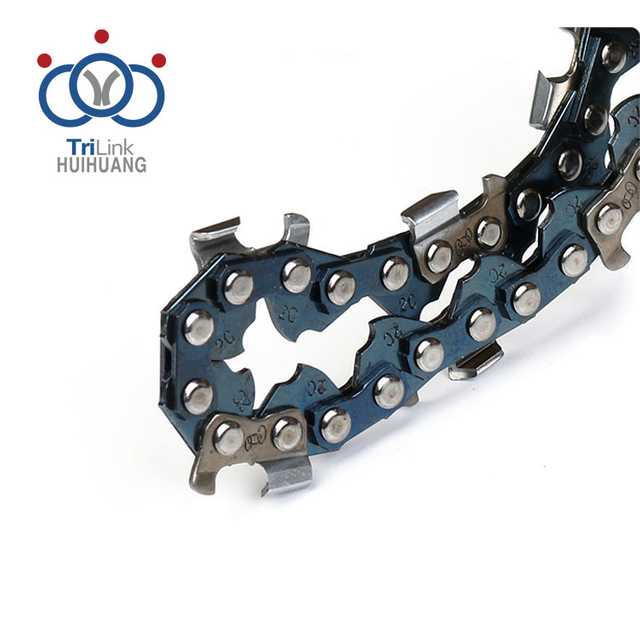
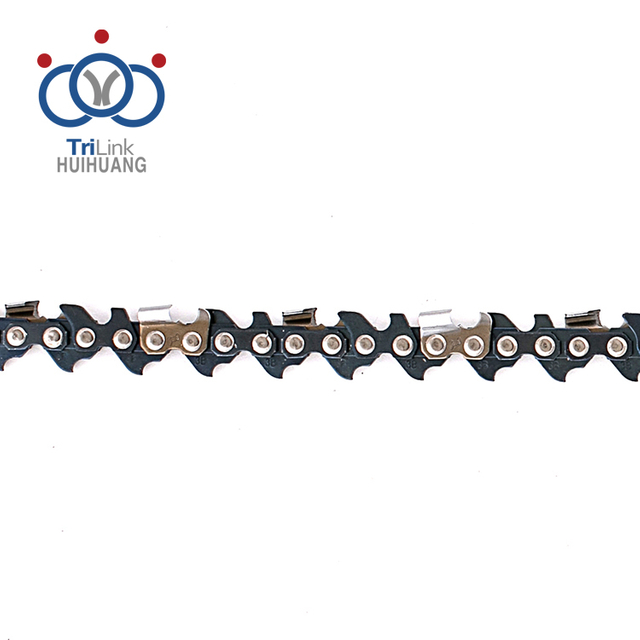
Drive links are the small, flat pieces that run along the bottom of a chainsaw chain. They fit inside the groove of the chainsaw’s guide bar. Their main job is to keep the chain properly aligned on the bar and transfer power from the chainsaw’s sprocket to the chain itself. Without drive links, the chain wouldn’t stay in place or move smoothly.
Each drive link has a shape designed to fit snugly into the guide bar groove. This design prevents the chain from slipping sideways or coming off during cutting. The drive links also connect to the sprocket teeth, which pull the chain around the bar when the chainsaw is running.
The guide bar has a narrow groove running along its edge. Drive links slide into this groove, keeping the chain locked in position. This groove acts like a track for the chain to follow. The more precise the fit between drive links and the groove, the smoother the chain moves.
At the same time, the chainsaw’s sprocket has teeth that mesh with the drive links. When the motor powers the sprocket, it turns and pulls the drive links forward. This action moves the entire chain around the guide bar. If the drive links don’t fit the sprocket teeth properly, the chain won’t move correctly. It may slip, skip, or even derail.
Drive links directly control how well the chain moves. If the drive links are worn or damaged, the chain can become loose or misaligned. This can cause uneven cutting, increased wear on the bar and sprocket, or even dangerous chain derailment.
The number of drive links also affects chain length and tension. A chain with too many drive links will be too long and hard to tighten. Too few drive links make the chain too short to fit properly. Both cases lead to poor cutting performance and potential safety risks.
Properly matched drive links ensure:
Smooth chain movement around the bar
Secure engagement with the sprocket
Correct chain length and tension
Safer, more efficient cutting
In summary, drive links are critical for the chain’s fit, movement, and overall performance. They keep the chain locked in place on the guide bar and allow the sprocket to pull the chain smoothly.
The number of drive links (DL) directly sets the chain's length. Each drive link fits inside the guide bar groove, so the total count determines how far the chain wraps around the bar and sprocket. Too few drive links make the chain too short to fit properly. Too many drive links add extra length, causing slack and poor tension.
Drive links engage the sprocket teeth, which pull the chain during operation. If the drive link count is incorrect, the chain won’t mesh smoothly with the sprocket. Too few drive links mean the chain can’t fully wrap around the sprocket, leading to slipping or skipping. Too many drive links cause excess chain length, making it hard for the sprocket to grip properly.
Proper chain tension is crucial for safe, efficient cutting. The right drive link count ensures the chain fits snugly around the bar and sprocket, allowing correct tension adjustments. A chain with incorrect DL causes tension problems:
Too few drive links: chain too tight or impossible to fit
Too many drive links: chain too loose, prone to sagging
Both situations reduce cutting precision and increase wear on the bar and sprocket. They also raise the risk of the chain derailing during use.
Using a chain with the wrong drive link count can cause several issues:
Chain slipping or jumping off the bar
Difficulty keeping the chain properly tensioned
Uneven wear on the guide bar groove and sprocket teeth
Increased risk of accidents due to chain derailment
These problems reduce the chainsaw’s performance and can cause costly damage or injury.
Many people assume the chainsaw bar length alone decides the number of drive links (DL) needed. While bar length gives a rough idea, it doesn’t tell the whole story. Two bars of the same length can require different DL counts. This happens because the chain must fit the bar groove and sprocket precisely. The bar’s mounting design, pitch, and gauge all influence the exact DL needed.
For example, a 16-inch bar from one manufacturer might need 66 drive links, while another brand’s 16-inch bar could need 68. This difference occurs because bar groove dimensions and mounting styles vary. So, relying on bar length alone risks buying a chain with the wrong DL, causing poor fit or unsafe operation.
Pitch and gauge are critical measurements that work alongside DL to ensure chain compatibility:
Pitch: The distance between three consecutive rivets divided by two. It affects the spacing of drive links and how they engage the sprocket. Common pitches include 3/8 inch and .325 inch. Chains with different pitches cannot share the same DL count because the links won’t align correctly.
Gauge: The thickness of the drive link that fits into the guide bar groove. Typical gauges are .050, .058, and .063 inches. Gauge affects how snugly the chain fits the bar groove. Using the wrong gauge with a correct DL can cause the chain to bind or slip.
Pitch and gauge define the chain’s physical fit and interaction with the saw. The DL count must match these to ensure the chain wraps perfectly around the bar and sprocket. Even if the DL number is correct, mismatch in pitch or gauge leads to poor cutting performance or safety risks.
For safe, efficient chainsaw operation, all three measurements—DL, pitch, and gauge—must align:
Correct DL ensures the chain length fits the bar and sprocket properly.
Correct pitch guarantees the drive links engage the sprocket teeth without slipping.
Correct gauge allows the chain to glide smoothly inside the bar groove.
When these match, the chain runs smoothly, tension is easy to adjust, and cutting is precise. Mismatched components cause chain derailment, difficulty in tensioning, or uneven wear on the bar and sprocket.
Example: A 72DL chain with a 3/8-inch pitch and .050-inch gauge fits a specific 18-inch bar designed for those specs. Using a 72DL chain with a different pitch or gauge on that bar will not work safely, even if the DL matches.

The easiest way to find the correct Drive Link (DL) count is to check your chainsaw’s guide bar. Most manufacturers stamp the DL number directly on the bar near the motor end. It might appear as a number followed by "DL," like "72DL," or next to a small icon resembling a drive link.
If you can’t find it on the bar, look in your chainsaw’s user manual. The manual usually lists the proper DL count for your specific model and bar length. Sometimes, the original chain packaging also shows this number.
Knowing the DL number from these sources ensures you buy a chain that fits perfectly.
If the DL number is missing or unclear, you can measure the chain yourself:
Remove the chain safely from the guide bar. Wear thick gloves to avoid injury.
Lay the chain flat on a surface, straightening it as much as possible.
Use a tape measure to find the total length of the chain by measuring end to end.
To estimate the DL count, count the number of drive links (explained next).
This manual measurement helps when no markings are visible.
Drive links are the small, flat pieces that fit inside the guide bar groove. To count them:
Lay the chain flat on a table.
Count each drive link carefully, moving along the chain.
To make counting easier, align the chain so the drive links face upward or line up in pairs.
Always wear gloves to protect your hands from sharp cutting teeth.
The total number you count is your DL number. This count must match the guide bar’s requirement exactly for proper fit and safe operation.
Besides counting drive links, you should also measure the pitch and gauge to ensure full compatibility:
Tape Measure: To measure chain length and pitch. For pitch, measure the distance across three rivets and divide by two.
Dial Caliper: A precision tool used to measure the thickness of a drive link for gauge. This ensures the chain fits snugly in the bar groove.
Gloves: Thick gloves protect hands while handling and counting the chain.
Using these tools helps confirm the chain’s specifications before purchase or replacement.
Chainsaw chains that share the same Drive Link (DL) count can sometimes fit different chainsaw models. However, DL alone does not guarantee compatibility. The DL number only tells you how many drive links the chain has, which affects its length and fit around the guide bar and sprocket.
Different chainsaws might have bars and sprockets designed for the same DL count, but other factors like pitch and gauge must also match. Without matching pitch and gauge, a chain with the correct DL might not fit properly or safely on a different saw.
Pitch and gauge are just as crucial as DL for chain compatibility:
Pitch is the distance between rivets on the chain. It determines how the drive links engage the sprocket teeth. If the pitch is wrong, the chain won’t mesh correctly, causing slipping or damage.
Gauge refers to the thickness of the drive link that fits into the guide bar groove. Incorrect gauge causes the chain to bind or wobble, leading to unsafe operation.
Even if two chains have the same DL number, differing pitch or gauge will prevent proper fit. For example, a 72DL chain with a 3/8-inch pitch and .050-inch gauge won't fit a saw designed for a 72DL chain with a .325-inch pitch or a thicker gauge.
To safely use a chain across different saws, verify these three specifications:
Drive Link count (DL): Matches the number of drive links needed for the guide bar length and sprocket.
Pitch: Matches the sprocket tooth spacing and bar groove design.
Gauge: Matches the thickness of the bar groove to allow smooth chain movement.
Buying a chain that meets all three ensures it fits securely, tensions correctly, and cuts efficiently. Using a chain with the right DL but wrong pitch or gauge risks chain derailment, poor cutting, or damage to the saw.
Using a chainsaw chain with the wrong Drive Link (DL) count can cause several frustrating and dangerous problems. The DL number directly affects how the chain fits the guide bar and sprocket, so any mismatch leads to poor performance and safety risks.
If the chain has too few or too many drive links, it won’t fit snugly on the guide bar and sprocket. This loose fit causes the chain to slip or even derail during operation. A slipping chain reduces cutting efficiency and can suddenly jump off the bar, creating a severe safety hazard.
For example, a chain with too many drive links will be too long, causing slack. This slack allows the chain to wobble or jump out of the groove. Conversely, a chain with too few drive links won’t wrap fully around the sprocket, leading to skipping or slipping under load.
Proper chain tension is crucial for safe and effective cutting. The correct DL count ensures the chain length fits perfectly, allowing easy tension adjustment. When the DL is wrong:
Too many drive links make the chain too long, so even at the tightest setting, it remains loose.
Too few drive links mean the chain is too short to fit around the bar and sprocket, making it impossible to tension without forcing.
Incorrect tension can cause the chain to bind, overheat, or wear unevenly. It also increases the risk of the chain snapping or derailing.
Chains with the wrong DL cause uneven pressure and movement on the guide bar and sprocket teeth. A chain that’s too long or too short shifts the load unevenly, accelerating wear on these parts.
The bar groove may widen or develop grooves from the chain slipping.
The sprocket teeth can wear unevenly or break due to improper engagement.
This uneven wear shortens the lifespan of both the bar and sprocket, leading to costly repairs or replacements.
Avoid these common issues by always matching the DL number exactly to your chainsaw’s guide bar specifications. Here are some tips:
Check the DL number stamped on your guide bar or in the chainsaw manual before buying a replacement chain.
Count the drive links manually if the DL number is missing or unclear.
Measure pitch and gauge alongside DL to ensure full compatibility.
Inspect chains regularly for wear or damage, replacing them before problems arise.
Taking these steps helps maintain smooth chain movement, proper tension, and safe operation.
DL stands for Drive Links, crucial for proper chainsaw chain fit and safe operation. Matching the DL count ensures the chain fits the guide bar and sprocket correctly, preventing slipping or derailment. Always check DL along with pitch and gauge before buying a replacement chain to maintain performance and safety. Selecting the right chain prevents uneven wear and tension problems. ZHEJIANG TRILINK HUIHUANG CO.TTD offers high-quality chains that deliver precise fit and reliable cutting efficiency.
A: DL stands for Drive Links, the parts of chainsaw chains that fit inside the guide bar groove and engage the sprocket to move the chain.
A: The drive link count determines the chain length, fit, and tension, impacting cutting performance and safety.
A: Matching pitch and gauge with DL ensures the chain fits the sprocket and bar groove properly for smooth, safe operation.
A: Incorrect DL causes chain slipping, difficulty tensioning, uneven bar and sprocket wear, and safety hazards.
A: Check the guide bar stamp, user manual, or count the drive links on the chain carefully with gloves.