Views: 0 Author: Site Editor Publish Time: 2026-04-23 Origin: Site


Understanding chainsaw chains and their markings is essential for maintaining your chainsaw and ensuring optimal performance. One of the most common markings you'll encounter is "72" on the chain. But what does it actually mean, and how does it affect your chainsaw's operation? In this article, we'll explain the significance of the "72" marking on a chainsaw chain, why it matters, and how to choose the right chain for your chainsaw based on this marking.
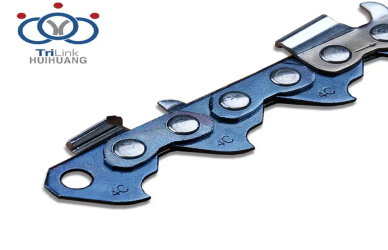
The "72" marking on a chainsaw chain is directly related to the number of drive links in the chain. Drive links are the parts of the chain that connect to the sprocket and guide bar, enabling the chain to move smoothly around the bar. The number of drive links determines the length of the chain and ensures it fits properly with the guide bar of your chainsaw, allowing for efficient cutting and safe operation.
Drive links are essential components in the chain's operation. They interlock with the sprocket, transferring power from the motor to the chain and allowing it to rotate smoothly around the guide bar. Each link is carefully sized to fit the sprocket teeth and the groove on the guide bar. When a chainsaw chain is marked with "72," it indicates that the chain contains 72 drive links. This number helps you match the chain to your chainsaw's specifications, ensuring that the chain fits properly and operates efficiently.
A correctly sized chain ensures that the chainsaw works at its optimal performance level, reducing friction, wear, and the risk of malfunction. Using a chain with the wrong number of drive links can lead to misalignment, inefficient cutting, and even potential damage to the saw.
Marking | Drive Links | Description |
72 | 72 | Typically used for chains with a specific length, ensuring compatibility with certain guide bars. |
91 | 91 | Represents a longer chain with more drive links, suited for larger guide bars or heavy-duty cutting. |
By understanding the significance of the "72" marking and its relation to the drive links, you can choose the correct chain for your chainsaw, ensuring both safety and cutting efficiency.
The "72" marking is crucial for determining whether the chain will fit your chainsaw properly. A correct fit is essential not only for performance but also for safety. Here's how the number of drive links (represented by "72") impacts your chainsaw's overall performance:
The length of the chain, indicated by the number of drive links, directly influences how well the chain fits on the chainsaw's guide bar. Using a chain with too many or too few drive links can lead to several performance issues:
· Too Many Drive Links: If the chain is too long, it will not fit properly on the guide bar. This causes tension issues, leading to a loose chain that could skip or derail during operation. Additionally, the chainsaw motor may have to work harder, potentially causing unnecessary strain and damage.
· Too Few Drive Links: A chain with too few drive links will be too short for the guide bar, leading to gaps or loose tension. This can result in inefficient cutting, cause the chain to slip off the bar, and increase the risk of overheating and excessive wear on both the chain and the chainsaw.
Using a chain marked with "72" ensures that the drive links are correctly matched to your guide bar length, allowing for smooth and efficient chain movement. A well-fitting chain reduces friction, making it easier to cut through wood with minimal effort. This increases cutting speed, improves precision, and reduces wear on both the chain and the chainsaw motor, leading to better overall performance. Proper fit and tension also result in cleaner cuts and fewer adjustments needed during operation.
The "72" marking helps you identify chains compatible with specific guide bars, ensuring you select the right chain for your chainsaw. Using the correct chain ensures optimal performance, while mismatched chains can negatively impact cutting accuracy and cause unnecessary strain on your tool. A chain that doesn’t fit properly may also increase the risk of damage to the chainsaw's sprocket and other parts.
By ensuring the right fit, you maximize the lifespan of both the chain and the chainsaw, improving safety and cutting efficiency.
Selecting the right chain for your chainsaw is more than just looking at the number of drive links. Here are the key factors you should consider when choosing a chainsaw chain with a "72" marking:
· Pitch: The pitch refers to the distance between the drive links. It plays a significant role in determining the chain's cutting efficiency. A chain with a smaller pitch (e.g., 3/8") is typically used for light-duty tasks, while a larger pitch (e.g., .404") is designed for heavy-duty cutting jobs.
· Gauge: The gauge is the width of the drive links that fit into the guide bar's groove. A chain with the correct gauge ensures a proper fit and smoother operation. You need to match the gauge of your chain with the groove size on your guide bar.
· Chain Type: Chains come in various types depending on the cutting task. Full-chisel chains are used for fast cutting of softwoods, while semi-chisel chains are better for durable cutting in harder woods. Low-profile chains are ideal for lighter tasks and smaller chainsaws.
It is crucial to select a chain size that matches your chainsaw's guide bar length. The correct chain size ensures that the chain moves smoothly around the guide bar, allowing for efficient and precise cuts. Here’s how to match the "72" marking with your chainsaw:
Chainsaw Model | Guide Bar Length | Compatible Chain Size (Number of Drive Links) |
Stihl MS250 | 16 inches | 72 drive links |
Husqvarna 450 | 18 inches | 72 drive links |
Echo CS-400 | 14 inches | 72 drive links |
Make sure to check your chainsaw's specifications before purchasing a new chain. This ensures that the chain will be compatible and will fit properly with your guide bar.
Using a chainsaw chain with the wrong number of drive links can significantly impact both performance and safety. The "72" marking on a chain represents the number of drive links, and if it is not correctly matched with your chainsaw, several issues may arise:
If the chain has too many drive links, it will not fit properly on the guide bar. This misalignment results in the chain being too loose, which can cause it to skip, derail, or cut inefficiently. The chainsaw motor will need to work harder to operate the chain, leading to unnecessary strain, increased wear, and the potential for motor damage. The improper fit can also cause unsafe operating conditions, reducing both performance and safety.
A chain with fewer drive links will be too short for the guide bar, causing the chain to have loose tension and creating gaps in the system. This misalignment can lead to slipping, which not only affects the cutting performance but also poses a significant safety risk. A loose chain increases friction, which can result in overheating and excessive wear on both the chain and the chainsaw motor. In extreme cases, this can lead to the chain derailing or causing permanent damage to the saw, reducing its lifespan and effectiveness.
The "72" refers to the number of drive links in the chainsaw chain. This number helps determine the chain's length and ensures it matches the size of your guide bar, providing proper tension and smooth operation during use.
To ensure compatibility, check your chainsaw's guide bar length and consult the manufacturer’s specifications for the recommended number of drive links. The "72" chain is typically used for guide bars of specific lengths, so confirming the guide bar size and pitch is essential.
The "72" marking itself doesn’t directly influence cutting speed, but it ensures the chain fits properly with the guide bar. A correctly fitted chain reduces friction, improves cutting efficiency, and prevents wear on both the chain and chainsaw motor, ensuring smoother cuts.
It’s important to use the correct chain size for your chainsaw. Replacing a "72" chain with one that has more or fewer drive links could lead to improper tension, poor performance, and unsafe operation. Always ensure the new chain matches your chainsaw's guide bar length, pitch, and gauge specifications.
Understanding the "72" marking on a chainsaw chain is crucial for ensuring compatibility with your chainsaw and guide bar, ultimately leading to efficient cutting performance. This marking, indicating the number of drive links, helps you choose the right chain for your specific chainsaw model, ensuring a proper fit and smooth operation. By selecting the correct chain size, pitch, gauge, and type, you can maximize your chainsaw's cutting efficiency, reduce wear, and ensure long-term durability. Regularly checking, maintaining, and adjusting the chain, along with using the proper length and fit, will help prolong the life of your chainsaw and improve the quality of your cutting tasks. At ZHEJIANG TRILINK HUIHUANG CO. LTD., we emphasize the importance of using high-quality, compatible chainsaw chains designed for reliability and performance. Always consult your chainsaw's manual or a professional if you're uncertain about which chain to choose, ensuring safe and efficient operation for years to come.