
Views: 0 Author: Site Editor Publish Time: 2026-04-27 Origin: Site


Chainsaw chains are made up of several critical components that work together to ensure the tool operates smoothly and efficiently. One of the key parts of a chainsaw chain is the teeth on the side, also referred to as side plate teeth or side cutters. These teeth, often overlooked, play an important role in the cutting process and the overall performance of the chainsaw. Understanding what these teeth are, their function, and how to maintain them is essential for anyone looking to get the best performance from their chainsaw. In this article, we will explore the anatomy of the side teeth, their contribution to cutting performance, and how they influence safety and efficiency.
The teeth on the side of a chainsaw are commonly known as side plate teeth or side cutters. These teeth are located along the side of the chain and serve a key role in the overall cutting action. While the primary cutters (the main teeth) do most of the cutting, the side teeth are crucial for controlling the depth and direction of the cut. The side plate teeth are designed to guide the chain, ensuring that the chain doesn’t veer off course and maintains a stable cutting path.
Role in Cutting
Side teeth are not as aggressive as the main cutting teeth, but they are indispensable for controlling the cutting action. When a chainsaw is in use, the primary cutters do most of the work by biting into the wood, but the side teeth help in stabilizing the chain and keeping it aligned with the guide bar. Without them, the chain could easily become misaligned, causing inefficiencies or even kickback, which can be dangerous.
While the primary cutters are designed to slice through the material, side teeth have a different job. These teeth are often less sharp than the main cutters and are more rounded in design. They function to help the chain maintain control, improve cutting precision, and ensure the chain doesn't dig too deeply into the material. In some designs, side cutters also work to control the depth of cut by regulating how deeply the main cutters bite into the material. This makes them an integral part of chainsaw performance and safety.
Side plate teeth, though small in comparison to the main cutters, play a significant role in enhancing cutting performance. Their contribution to smooth, efficient, and controlled cuts cannot be overstated. Here's a breakdown of how side teeth impact your chainsaw's cutting efficiency.
One of the key roles of side plate teeth is helping guide the chain in the right direction. When the chain is cutting through material, the side teeth ensure that the chain doesn’t deviate from its path. This is particularly important when making precision cuts or cutting around obstacles. Without the side teeth, the chain would likely veer off course, causing uneven or jagged cuts that could be harder to control.
The sharpness and alignment of side teeth are directly tied to the cutting speed and efficiency of the chainsaw. When these teeth are well-maintained, they help reduce the overall friction between the chain and the guide bar. This reduction in friction allows the chain to move more smoothly, making cutting easier and faster. Chains with well-maintained side teeth can cut through wood with less effort, leading to better performance and less wear on the saw.
Over time, side teeth can wear down due to the constant friction of cutting. However, they are generally less prone to wear compared to the primary cutters. Regular maintenance and sharpening are important to keep side teeth in optimal condition. This maintenance ensures that the chain continues to perform efficiently and that the cutting direction remains stable.
Component |
Function |
Maintenance Need |
Side Plate Teeth |
Guide the chain and control cutting depth |
Regular sharpening and inspection needed |
Main Cutters |
Perform the primary cutting of the material |
Frequent sharpening due to heavy wear |
Tie Straps |
Connect and stabilize cutters and drive links |
Minimal maintenance required |
Drive Links |
Allow the chain to move along the guide bar, transmitting power |
Check for wear and proper tension |
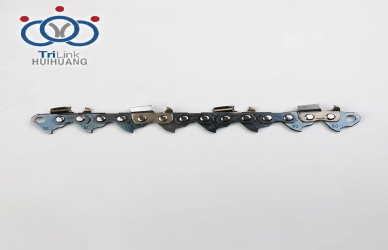
Chainsaw chains come in different types of teeth configurations, each designed for a specific purpose. Understanding the different types of teeth and their roles will help you select the right chain for your job.
Full-chisel teeth are characterized by their sharp, square-edged design. These teeth are best suited for fast, aggressive cutting of softwoods, as the sharp edges can easily slice through the material. Full-chisel chains are typically used for high-performance cutting jobs, such as felling trees or cutting large logs. However, the aggressive nature of these teeth means they wear down faster than other types and can be prone to damage if cutting through abrasive materials.
Semi-chisel teeth are designed with rounded edges, which make them more durable and longer-lasting compared to full-chisel teeth. These chains are ideal for cutting through tougher, denser wood, as well as for environments with dirt or debris. Semi-chisel chains are less prone to damage than full-chisel chains and offer a better balance between cutting speed and durability, making them a popular choice for general-purpose use.
Low-profile teeth are smaller in size and are typically used in chains for smaller, lighter chainsaws. These chains are ideal for light-duty cutting tasks, such as trimming and pruning. Low-profile chains are designed for safety and precision, offering smoother operation with reduced risk of kickback. These chains are ideal for casual users or homeowners who need to perform basic cutting tasks.
Side teeth on a chainsaw chain are not just important for cutting efficiency—they also play a significant role in maintaining safety during operation. Chainsaw safety is a key consideration for anyone operating the tool, and side teeth help minimize some of the common risks associated with chainsaw use.
One of the biggest safety concerns when using a chainsaw is kickback, which occurs when the tip of the guide bar strikes an object or gets caught in the wood. This can cause the chainsaw to unexpectedly jerk backward towards the user, potentially leading to injury. Properly maintained side teeth help reduce the likelihood of kickback by keeping the chain properly aligned and ensuring that the cut is stable. They allow for more controlled and consistent cuts, thus improving safety.
Side teeth also contribute to the overall stability of the chainsaw during operation. By keeping the chain aligned with the guide bar, side plate teeth reduce the chances of the chain wandering off course, which can cause instability and increase the risk of the chain derailing. Stability during cutting is essential for precision and safety.
Having sharp, well-maintained side teeth improves the user's control over the chainsaw. When side teeth are functioning properly, the user can make smoother, more accurate cuts with less effort. This enhances both comfort and safety, allowing the operator to maintain better control of the saw throughout the cutting process.
Side teeth help guide the chain, maintain cutting direction, and control the depth of the cut. These teeth ensure stability during operation and improve cutting precision. By stabilizing the chain, side teeth allow for more accurate and controlled cuts, especially when working with thicker or denser materials. Without properly functioning side teeth, the chain could veer off course, resulting in uneven cuts and potential safety hazards.
While side teeth generally experience less wear compared to the main cutters, they still require regular maintenance and sharpening to ensure they continue to perform efficiently. Side teeth can become dull or damaged over time due to their contact with the material being cut, and their failure to perform optimally can lead to poor chain movement and reduced cutting precision. Regular inspection and sharpening will keep them functioning properly.
To sharpen the side teeth, use a round file that matches the tooth profile. Be sure to maintain the correct sharpening angle, which is typically specified in the chainsaw manufacturer’s guidelines. It’s also essential to sharpen both sides of the teeth evenly to ensure balanced performance. If you are unsure about the correct angle or technique, consulting a professional or referring to your chainsaw manual can ensure proper sharpening and prevent further wear.
Yes, side teeth are crucial for controlling the direction and depth of the cut. They help ensure stable and precise cuts in all types of cutting, whether you're trimming branches, felling trees, or doing detailed woodwork. Even for lighter tasks, side teeth contribute to improved control, allowing the user to make more accurate cuts and minimizing the risk of the chainsaw becoming misaligned or causing kickback.
The side teeth, or side plate teeth, on a chainsaw chain are essential for the chainsaw's performance, efficiency, and safety. These teeth guide the chain, help control the direction and depth of the cut, and contribute to cutting efficiency by reducing friction. While side teeth are not the primary cutting elements, they play a critical role in maintaining stable and precise cuts, ensuring that the chain stays aligned and the saw operates smoothly. Regular maintenance, including sharpening and inspection, is key to ensuring these teeth continue to function properly. With the right care, side teeth can significantly enhance your chainsaw's performance and safety, allowing for smoother operation and a longer lifespan for the tool. At ZHEJIANG TRILINK HUIHUANG CO. LTD., we emphasize the importance of high-quality chainsaw chains and proper maintenance, ensuring that every part, including the side teeth, contributes to the overall efficiency and safety of your chainsaw.