Views: 0 Author: Site Editor Publish Time: 2026-05-28 Origin: Site


Chainsaw chains are more than just metal links—they determine cutting speed and safety. Choosing the wrong chain can lead to poor performance or accidents.
This article explores Chainsaw Chains for Homeowners and industrial use. You’ll learn the key differences and how to pick the right chain for your needs.
We’ll cover chain types, safety tips, and how the right chain boosts efficiency and protects you during cutting.
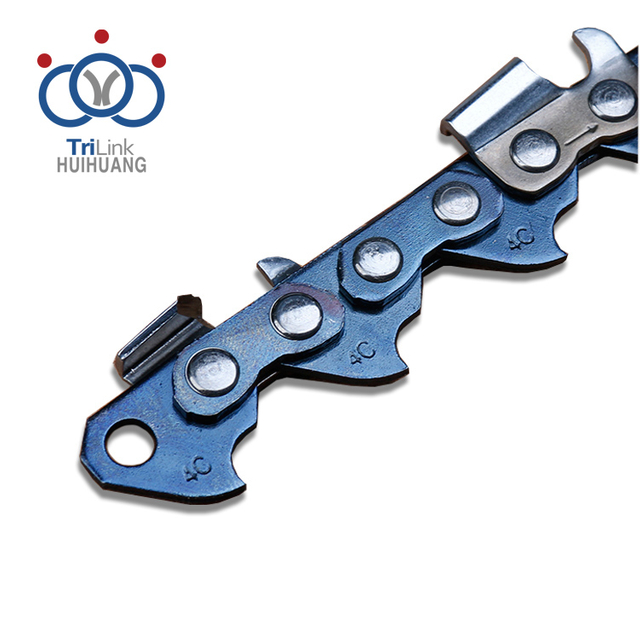
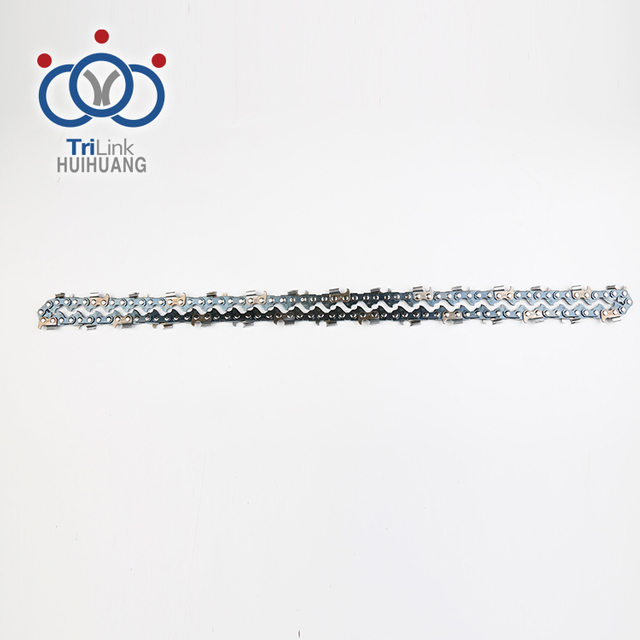
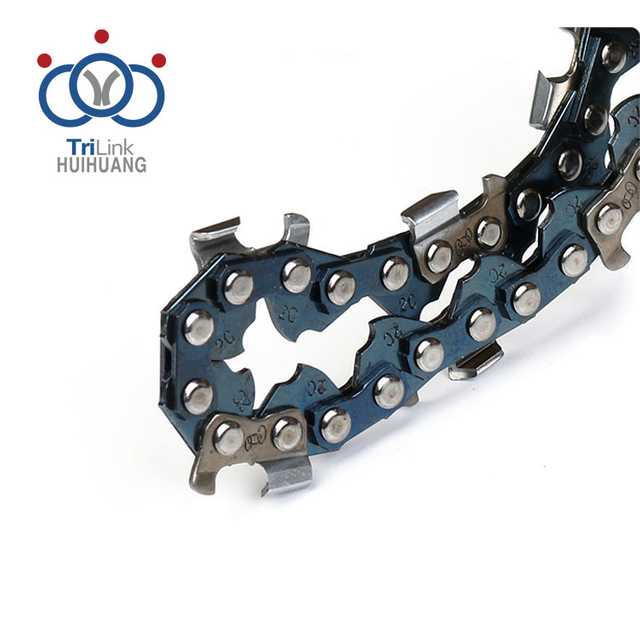
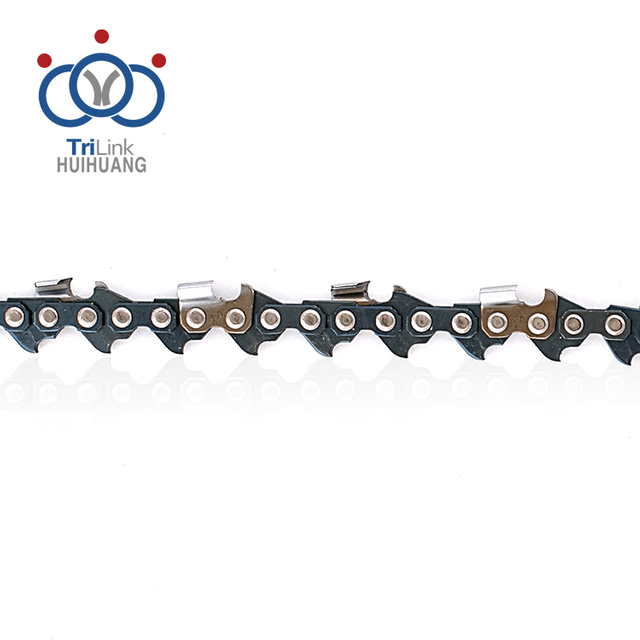
A chainsaw chain consists of three main parts: the chain itself, the guide bar, and the drive links. The chain is made up of many small links connected by rivets. These links include cutting teeth that do the actual wood cutting. The guide bar is the metal rail the chain rides on, guiding its path around the saw. Drive links are the small parts underneath the chain that fit into the guide bar groove and connect the chain to the chainsaw’s sprocket, transferring power to move the chain.
Each component must work perfectly together for efficient and safe cutting. If any part is mismatched or worn, the chainsaw won’t perform well and could be unsafe.
When choosing a chainsaw chain, three measurements matter most: pitch, gauge, and drive link count.
Pitch: This is the distance between any three consecutive rivets divided by two. It determines the size of the chain and must match the guide bar and sprocket. Common pitch sizes include 1/4", .325", 3/8", and .404". Using the wrong pitch can cause the chain to slip or wear out fast.
Gauge: This measures the thickness of the drive links that fit into the guide bar groove. Typical gauges are 0.043", 0.050", 0.058", and 0.063". The chain gauge must match the guide bar groove width exactly for smooth operation.
Drive link count: The number of drive links determines the chain length. It must match the guide bar length. Too many or too few links will prevent proper fit and tension.
To find the right chain size, start by checking the guide bar. Most bars have the pitch, gauge, and recommended number of drive links stamped on them. If the markings are worn or missing, here’s how to measure:
Pitch: Measure the distance between three consecutive rivets on the chain, then divide by two. For example, if the distance is 3/4", the pitch is 3/8".
Gauge: Use a caliper to measure the thickness of a drive link at the point where it fits into the guide bar groove.
Drive link count: Count the number of drive links in the chain. Only count the links that fit inside the guide bar groove, not the full chain links.
If you have the old chain, these measurements help you pick a perfect replacement. When buying a new chain, always double-check these specs to avoid compatibility issues.
Full chisel chains have square-cornered teeth that cut through wood fibers quickly and efficiently. They are the fastest cutters, ideal for clean, softwood, and hardwood. Professionals in logging and tree felling prefer these chains because they maximize cutting speed and accuracy. However, full chisel chains dull faster, especially when cutting dirty or frozen wood. They also carry a higher kickback risk, so experienced users should handle them carefully. Frequent sharpening is necessary to keep their performance at peak levels.
Semi-chisel chains feature rounded teeth corners, making them more durable than full chisel types. They hold their sharpness longer when cutting through dirty, frozen, or hardwood. This durability reduces maintenance, making them perfect for homeowners who use chainsaws occasionally. Semi-chisel chains offer a good balance between cutting speed and longevity. They are less prone to kickback than full chisel chains, enhancing safety for less experienced users.
Low-profile chains have smaller, rounded teeth designed to reduce kickback and vibration. These chains provide smoother, quieter cuts, ideal for residential areas and light yard work. Their safety features make them great for homeowners and beginners. Low-profile chains require less power to operate, so they suit smaller or battery-powered chainsaws well. They’re easier to sharpen and maintain, which adds to their appeal for casual users.
Skip Chains: These chains have fewer teeth spaced farther apart. They clear wood chips quickly and reduce strain on the saw, especially useful for long bars or underpowered saws. Skip chains cut faster but leave a rougher finish, making them suitable for larger timber or rough cuts.
Ripping Chains: Designed for milling lumber, ripping chains have a lower cutting angle (around 10°) to cut along the wood grain. They produce smooth cuts but operate slower than standard chains. These chains are mostly used in sawmills and woodworking shops.
Carbide-Tipped Chains: These chains have carbide inserts on the cutting teeth, making them extremely durable. They excel in tough conditions like frozen, dirty, or abrasive wood and materials containing nails or grit. Carbide chains stay sharp longer but require special sharpening tools and cost more upfront. They are favored in demolition, construction, and industrial forestry.
e option, while professionals benefit from full chisel or carbide-tipped chains for speed and durability in demanding jobs.
Choosing the right chainsaw chain depends a lot on the type of wood you plan to cut. Hardwood like oak, maple, or walnut has a dense, porous structure, which means it cuts easier and dulls chains slower. Full chisel chains work best here. Their square-cornered teeth slice through hardwood cleanly and quickly.
Softwood such as pine, spruce, or fir is more fibrous and abrasive, which dulls chains faster. Semi-chisel chains, with their rounded teeth, hold sharpness longer on softwood and dirty wood, making them ideal for homeowners. Low-profile chains also work well for softwood, offering safer, smoother cuts.
Clean, dry wood allows you to use faster chains like full chisel for quick, precise cuts. But when cutting dirty, frozen, or wood with grit, semi-chisel or carbide-tipped chains are better choices. Semi-chisel chains resist dulling from dirt and frozen fibers. Carbide-tipped chains, covered with a hard carbide layer, excel in tough conditions like frozen logs or wood with nails. They stay sharp longer but cost more and require special sharpening.
Bar length and saw power affect chain selection too. Longer bars need chains that clear wood chips quickly to avoid bogging down the saw. Skip chains, which have fewer teeth spaced wider apart, work well on long bars or underpowered saws by reducing resistance.
Smaller saws or battery-powered models benefit from low-profile chains. These chains have smaller teeth and less vibration, matching the lower power output and improving battery life. For medium to large gas saws, full chisel or semi-chisel chains suit various wood types and conditions.
Fast chains like full chisel offer excellent cutting speed but dull quickly and need frequent sharpening. Semi-chisel chains cut slower but last longer, ideal for homeowners who want less maintenance. Low-profile chains prioritize safety and ease of use but cut slower than full chisel.
Carbide-tipped chains offer the best durability in harsh environments but require professional sharpening and higher upfront costs. Choosing the right chain means balancing how fast you want to cut, how often you want to sharpen, and how safe you need the chain to be.

Kickback happens when the chainsaw’s tip hits an object or the chain gets pinched. It can cause the saw to jerk back toward the operator, leading to serious injuries. Some chain types reduce this risk better than others. Low-profile chains, designed with smaller, rounded teeth, lower kickback chances, making them great for homeowners and beginners. Semi-chisel chains also offer safer operation than full chisel chains, which have sharp square teeth that cut fast but increase kickback risk. Choosing a chain with a guard or safety features, like a guard drive link, helps reduce kickback further.
Keeping the chain tension just right is key for safety and performance. A chain too loose can jump off the bar, while one too tight strains the saw. Check tension often—when cold, the chain should snap back against the bar but still move freely by hand. Always wear gloves when adjusting tension.
Sharpening keeps the chain cutting cleanly and safely. Use a round file matching your chain’s pitch (e.g., 3/16" for .325 pitch). Maintain the correct filing angle, usually 25°–35°, and file all cutter teeth evenly. Sharpen depth gauges (rakers) too, lowering them about 0.025" below the cutter top. Dull chains cause more kickback and make cutting harder, so sharpen regularly or when you notice slower cuts or smoke.
Routine care extends chain life and improves safety:
Clean the chain and bar after each use to remove sawdust, sap, and oil buildup.
Lubricate the chain bar groove and sprocket with proper bar oil.
Flip the guide bar periodically to prevent uneven wear.
Inspect the chain for damaged or missing teeth and replace if needed.
Replace the drive sprocket if worn, usually every second or third chain change.
Replace the chain when sharpening no longer restores sharpness or when teeth are damaged. Signs include:
Teeth worn down to the depth gauge level.
Broken or missing cutters.
Chain stretched beyond tension limits.
Excessive vibration or poor cutting performance.
To replace, carefully remove the old chain, clean the guide bar and sprocket, then install the new chain ensuring correct pitch, gauge, and drive link count. Adjust tension and lubricate before use.
Carbide-tipped chains stand out for their extreme durability. Each cutting tooth has a small carbide insert fused onto its tip. This tough material resists wear far better than standard steel, allowing the chain to stay sharp much longer. These chains excel in harsh environments where ordinary chains dull quickly, like frozen wood, dirty logs, or wood with embedded nails and grit. Because carbide inserts are hard and heat-resistant, these chains maintain cutting efficiency even under heavy use.
Carbide chains are popular in demolition and construction where wood often contains dirt, nails, or other tough materials. They handle abrasive surfaces like concrete or brick debris better than regular chains. Logging professionals use carbide chains when cutting frozen logs or extremely hard wood that would quickly wear down standard chains. Homeowners tackling old or reclaimed wood, or clearing storm-damaged trees with frozen branches, also benefit from carbide chains’ long-lasting sharpness.
Unlike regular chains sharpened with a round file, carbide chains require special sharpening tools, usually a diamond grinding wheel or professional sharpening service. This process is more expensive and time-consuming but keeps the carbide inserts effective. Attempting to file carbide teeth with standard tools can damage the chain. Despite higher upfront and maintenance costs, carbide chains reduce downtime and frequent sharpening, making them cost-effective for tough jobs.
Specialty chains like carbide-tipped, ripping, or skip chains serve specific needs beyond standard chains. Ripping chains cut along the wood grain for smooth lumber milling but cut slower. Skip chains have fewer teeth for faster cutting on long bars or underpowered saws but produce rougher finishes. Carbide chains offer unmatched durability but at a premium price and require careful maintenance. For homeowners, semi-chisel or low-profile chains usually suffice, balancing safety and ease of use. Professionals benefit from carbide and specialty chains for demanding tasks requiring speed, durability, and reliability.
When choosing chainsaw chains, brand reputation matters a lot. Trusted manufacturers have decades of experience, ensuring quality, durability, and safety. For homeowners and industrial users alike, some of the most reputable brands include:
Stihl: Known for premium chains with patented OILOMATIC lubrication. Their chains cut smoothly, stay sharp longer, and are compatible with many saw brands.
Oregon: A leading global supplier offering a wide range of chains for all uses. They innovate with low-vibration designs and durable cutter materials.
Husqvarna: Offers chains designed for professional forestry and homeowner use, featuring advanced cutter profiles and safety features.
Rapco Industries: Specializes in carbide-tipped chains known for toughness and longevity in harsh conditions.
Bosch and McCulloch: Provide reliable chains suited for homeowner and light professional use.
Choosing a well-known brand reduces the risk of poor fit, premature wear, or safety issues.
Quality chains cost more upfront but pay off by lasting longer and cutting more efficiently. Inferior chains dull quickly, break easier, and increase kickback risk. Poor-quality chains also cause extra wear on your chainsaw’s sprocket and bar, leading to costly repairs.
Investing in quality chains means:
Better cutting performance: Smoother, faster cuts with less effort.
Enhanced safety: Lower kickback risk and reliable chain strength.
Reduced maintenance: Sharpen less often, fewer replacements.
Saw protection: Less strain on the chainsaw’s motor and parts.
This investment protects your tools and improves your work quality over time.
When selecting chains, consider these features:
Correct pitch and gauge: Must match your chainsaw bar and sprocket exactly.
Durable cutter material: Hardened steel or carbide tips for longer sharpness.
Kickback reduction technology: Guarded drive links or low-profile designs for safer operation.
Precision manufacturing: Tight tolerances reduce vibration and improve chain life.
Compatibility: Chains designed for your saw brand or universal fit with clear specs.
Ease of sharpening: Chains that accept standard files or professional sharpening tools.
Look for chains with clear labeling of specs and safety certifications.
Top brands invest in research to improve chain performance:
Stihl’s OILOMATIC® system: Ensures excellent lubrication, reducing friction and wear.
Oregon’s PowerSharp® chains: Feature built-in sharpening systems for quick touch-ups without removing the chain.
Husqvarna’s X-CUT™ and X-Precision™ chains: Offer optimized cutter profiles for faster cutting and lower kickback.
Rapco’s carbide-tipped chains: Use high-quality carbide inserts for extreme durability in tough conditions.
These innovations enhance cutting efficiency, safety, and chain longevity, making them worthwhile choices for both homeowners and professionals.
Choosing the right chainsaw chain involves understanding pitch, gauge, and drive link count for proper fit and safety. Matching the chain type to wood species and saw power ensures efficient, safe cutting. Regular maintenance and correct tension keep chains sharp and reduce kickback risks. For reliable performance and durability, consider products from ZHEJIANG TRILINK HUIHUANG CO.TTD, whose chains offer excellent value through quality materials and precise manufacturing. Their chains support both homeowners and professionals with enhanced safety and longevity.
A: Semi-chisel and low-profile chains are ideal for homeowners due to their durability, safety features, and low maintenance compared to full chisel chains.
A: Check the guide bar for pitch, gauge, and drive link count, or measure these components on your current chain to find compatible chainsaw chains for homeowners.
A: Semi-chisel chains balance cutting speed and durability, holding sharpness longer on dirty or frozen wood, making them perfect for occasional homeowner use.
A: Regularly check tension, sharpen cutters evenly, clean debris, and lubricate to extend the life and safety of chainsaw chains for homeowners.
A: While durable, carbide-tipped chains are costly and require special sharpening, so homeowners usually prefer semi-chisel or low-profile chains for ease of use and maintenance.