
Views: 0 Author: Site Editor Publish Time: 2026-04-14 Origin: Site


Chainsaws are powerful tools used across various industries such as forestry, woodworking, and landscaping. In forestry, they are essential for felling trees and processing wood, while in woodworking, they assist in shaping and cutting large pieces of timber. Landscaping professionals rely on chainsaws for tree trimming, stump removal, and clearing debris. One of the most crucial components of a chainsaw is the chainsaw chain itself, which is responsible for the cutting action. Over time, chainsaw chains wear out due to constant friction and the stress of cutting through tough materials. Regular maintenance and timely replacement of the chain are essential for maintaining the tool's efficiency, ensuring smooth operation, and prolonging its lifespan. Replacing a worn or damaged chain not only improves cutting performance but also enhances safety during operation.
Chainsaw chains come in various types, each designed for specific cutting tasks. The two most common types are full-chisel and semi-chisel chains, with other specialized types available for unique needs.
· Full-Chisel Chains: These chains have square-shaped teeth that cut aggressively, making them ideal for cutting through softwood and quick, heavy-duty cutting tasks. They provide fast cutting speed but can be more prone to damage if used improperly on dirty or gritty wood.
· Semi-Chisel Chains: Featuring rounder edges on the teeth, semi-chisel chains offer a balance between fast cutting and durability. They are better suited for harder woods and are less susceptible to damage from dirt and debris, making them a good choice for general use in varied conditions.
· Other Types: Specialized chains like low-profile chains or skip-tooth chains cater to specific tasks, such as pruning, or are designed for different power requirements and cutting conditions.
A chainsaw chain is made up of several essential components that work together to deliver efficient cutting performance:
· Drive Links: These are the links that connect the chain to the chainsaw's sprocket, allowing the chain to move around the guide bar. They play a critical role in maintaining the chain’s proper tension and alignment during operation.
· Cutters: The teeth of the chain that do the actual cutting. They are designed to remove wood as the chain moves around the bar. There are different shapes of cutters (e.g., full-chisel, semi-chisel) depending on the type of chain.
· Teeth: The sharp edges of the cutters are specifically designed to bite into the material being cut. Their geometry (square, round, or semi-round) affects the cutting efficiency and smoothness of the operation.
When the chainsaw is turned on, the engine drives the sprocket, which rotates the chain. As the chain moves around the guide bar, the cutters (teeth) engage with the wood, removing small chips of material. The speed and efficiency of cutting depend on factors like the type of chain, the sharpness of the teeth, and the condition of the chain. Proper tension and lubrication also play a significant role in ensuring smooth operation, as these prevent excessive wear and overheating of the chain while cutting. A well-maintained chainsaw chain will cut efficiently, while a dull or damaged chain can cause the tool to struggle, leading to slower cutting, increased friction, and potential damage to the chainsaw itself.
A chainsaw chain undergoes significant wear and tear during use, and recognizing when it’s time for a replacement can ensure both safety and efficiency. Here are some common signs that indicate your chainsaw chain may need to be replaced:
· Over time, the teeth of the chainsaw chain become dull due to friction against the wood, reducing their cutting efficiency. If you notice that the chain is struggling to make clean cuts or requires excessive force to cut through the material, it could be a sign that the teeth are worn down. A chain that no longer produces smooth, quick cuts is less effective and needs replacement.
· Chainsaw chains are made up of interconnected links, and any broken or damaged links can compromise the functionality of the chain. If you notice that any links are cracked, missing, or have significant damage, it’s a clear indication that the chain should be replaced. Damaged links can cause the chain to skip or derail during operation, making it unsafe to use.
· If you find yourself sharpening the chain regularly, but it still doesn’t hold its sharpness or dulls quickly after just a few cuts, the chain may be worn out beyond repair. Frequent sharpening without improvement in cutting performance is a strong indicator that the chain has reached the end of its life and should be replaced.
· A healthy chainsaw chain runs smoothly, with minimal vibration and noise. If you experience increased vibration or notice unusual sounds while using the chainsaw, it could be due to a damaged or improperly tensioned chain. Excessive vibration can also be a sign that the chain is no longer aligned properly, which can result from wear, damage, or broken components. This can affect both the performance and safety of the tool, indicating it’s time for a new chain.
The lifespan of a chainsaw chain depends on several factors that can either extend or shorten its usability. Understanding these factors can help you maximize the life of your chain and maintain its cutting performance.
· More frequent use leads to faster wear and tear on the chain. Chainsaws used regularly for heavy-duty tasks, like felling trees or cutting thick logs, will experience greater friction and wear compared to those used occasionally for lighter jobs. The more often you use the chainsaw, the more frequently you will need to inspect the chain and potentially replace it.
· The type of wood you are cutting plays a significant role in the wear rate of the chain. Hardwoods like oak, maple, or hickory are much tougher on chains than softwoods such as pine or fir. Cutting through dense, resinous wood can quickly dull the teeth and lead to a faster degradation of the chain. Additionally, if the wood is dirty or contains nails, rocks, or debris, it can further damage the chain, making it wear out more quickly.
· Regular maintenance is essential for prolonging the life of a chainsaw chain. This includes keeping the chain sharp, properly tensioned, and well-lubricated. Without proper lubrication, the chain will experience excessive friction, leading to overheating and faster wear. Additionally, proper storage is important—storing the chainsaw in a dry place prevents rust and corrosion on the chain, which can significantly shorten its lifespan. Always clean the chain after use to remove any sap, dirt, or sawdust that may cause damage over time.
· The quality of the chain itself can significantly impact its durability. High-quality chains, made from durable materials like hardened steel, tend to last longer and maintain their sharpness better than cheaper alternatives. Similarly, the overall quality of the chainsaw matters. A well-maintained, high-quality chainsaw will exert more consistent power, preventing undue strain on the chain and ensuring better performance. Chainsaws that are poorly maintained or made with lower-quality components can cause faster wear on the chain due to improper alignment, tension, or inadequate lubrication.
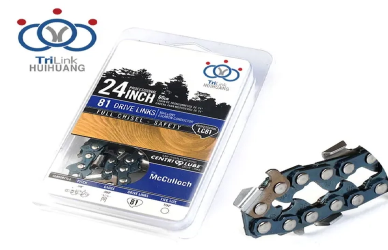
The frequency of replacing a chainsaw chain depends on how often it’s used, the tasks it’s used for, and how well it’s maintained.
· Casual Use: If the chainsaw is used occasionally for light tasks, the chain can last for several years with proper care.
· Heavy Use: For frequent, heavy-duty tasks like felling trees or logging, the chain may need to be replaced every year or more often, depending on usage.
· Dullness: If the chain struggles to cut smoothly, it may be too dull and needs replacement.
· Physical Damage: Regularly inspect for broken or damaged links, missing teeth, or worn cutters.
· Unusual Sounds: Increased vibration or strange sounds could indicate a worn-out or damaged chain.
· Worn Teeth: If the cutters can’t hold a sharp edge, it’s time to replace the chain.
· Safety: Replacing a worn chain reduces the risk of accidents like kickbacks.
· Performance: A new chain ensures efficient cutting with less effort, improving the tool’s effectiveness.
· Cost Savings: Regular replacement prevents further damage to the chainsaw, saving on costly repairs.
Extending the life of your chainsaw chain requires regular maintenance and proper use. Here are key practices to ensure longevity and optimal performance:
· Clean the Chain After Each Use: Remove sawdust, sap, and debris from the chain to prevent buildup that can cause friction and wear. Use a wire brush or air compressor for thorough cleaning.
· Sharpen the Chain Regularly: Regularly sharpen the cutters to maintain efficient cutting performance. A dull chain puts more strain on the motor and wears out faster.
· Inspect for Damage: Frequently check for any damaged or broken links, missing teeth, or stretched sections of the chain. Repair or replace the chain if necessary to avoid further damage.
· Correct Tensioning: Ensure the chain is properly tensioned. A chain that is too tight can cause excessive wear on both the chain and the sprocket, while a loose chain can derail and lead to safety hazards.
· Lubricate the Chain: Regularly apply bar oil to lubricate the chain and reduce friction during use. This prevents overheating, rust, and wear on the drive links and cutters.
· Choose the Appropriate Chain Type: Use a chain suited for the material you’re cutting. Full-chisel chains are great for fast cutting through softwoods, while semi-chisel chains work better for harder woods.
· Select the Correct Size and Specifications: Always match the chain size and specifications to the guide bar and saw model. Using the wrong chain can lead to inefficient cutting and faster wear.
A dull chain will struggle to cut smoothly, requiring more force and causing smoke or wood chips to fly erratically.
Yes, sharpening can prolong the life of the chain, but if the chain is too worn or damaged, replacement is necessary.
A chainsaw chain can last between 3-10 years depending on usage frequency, material being cut, and proper maintenance.
Regular maintenance, including cleaning, proper lubrication, and correct tensioning, helps prevent premature wear on your chain.
In summary, maintaining and replacing your chainsaw chain at the right time is essential for both performance and safety. Regular cleaning, proper tensioning, and lubrication, along with using the correct chain for the job, can significantly extend the lifespan of the chain. Whether you're using your chainsaw for casual tasks or heavy-duty work, proper care ensures smoother cuts, reduced wear, and a safer operation. At ZHEJIANG TRILINK HUIHUANG CO. LTD., we emphasize the importance of high-quality chainsaw chains and provide products designed for durability and efficiency. Prioritizing safety and maintenance will not only keep your chainsaw running at peak performance but also ensure that you get the most out of your tool for years to come.