Views: 0 Author: Site Editor Publish Time: 2026-05-27 Origin: Site


Ever struggled with a chainsaw that just won’t cut right? The direction of your chainsaw chain might be the problem.
A chainsaw chain is a crucial part that must be installed correctly for safety and efficiency. Its components work together to cut wood smoothly.
In this post, you’ll learn what a chainsaw chain is, why its direction matters, and how to identify the correct way to install it.
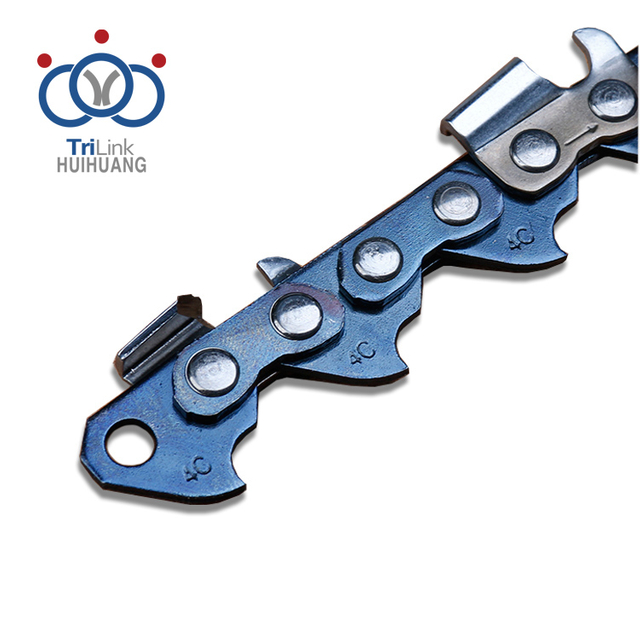
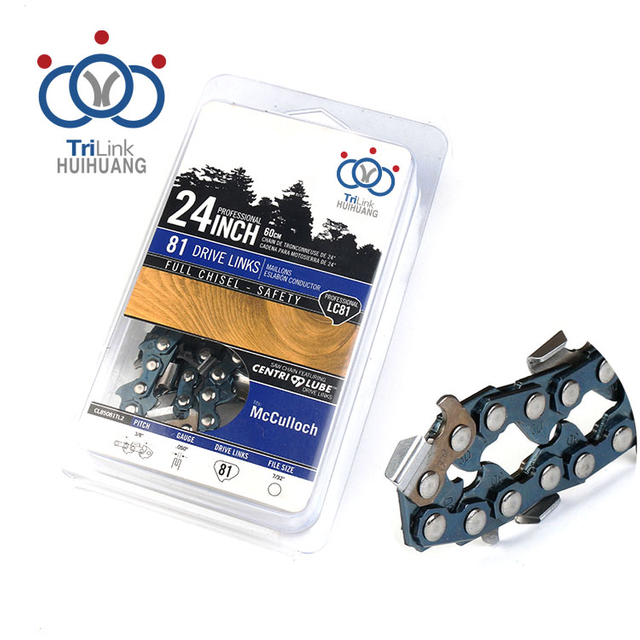
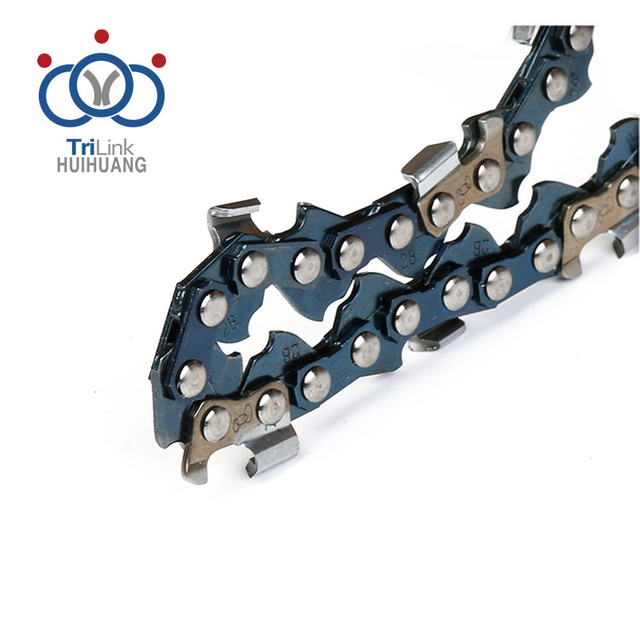
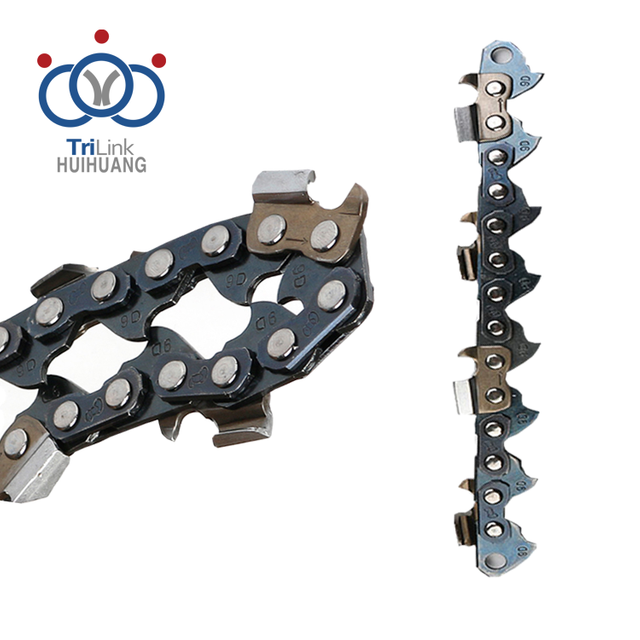
A chainsaw chain is made up of several key parts, each playing a vital role in how the chain cuts wood and moves smoothly around the guide bar. Knowing these components helps you understand why chain direction matters and how to install it correctly.
Drive links are the rectangular pieces that fit snugly into the groove of the guide bar. They engage with the sprocket, which is driven by the chainsaw engine. When the sprocket spins, it pulls the drive links, moving the entire chain around the bar. Without properly seated drive links, the chain won’t move smoothly or might even come off during operation.
Cutting teeth are the sharp parts of the chain that do the actual cutting. Each tooth has a sharp edge designed to slice into wood fibers. The teeth are angled to scoop out wood chips efficiently, creating clean cuts. The direction these teeth face is crucial—they must point forward along the top of the bar to cut effectively.
In front of each cutting tooth, there’s a small bump called a depth gauge or raker. Its job is to control how deep the cutting tooth bites into the wood. If the depth gauge is too high, the tooth takes a shallow cut, making cutting slow. Too low, and the tooth bites too deeply, which can cause the saw to jerk or kick back. Proper depth ensures smooth, safe cutting.
Rivets are small metal pins holding the chain’s parts together. They allow the chain to bend and flex as it moves around the bar. Tie straps connect the drive links and cutting teeth, providing strength across the chain’s body. Side plates form the main body of each cutting tooth, guiding the tooth through wood. Together, these components keep the chain strong, flexible, and reliable.
All parts of the chain must work in harmony. The engine spins the sprocket, which pulls the drive links. These links keep the chain moving around the guide bar. The cutting teeth slice into wood, while the depth gauges control how deep each cut is. Rivets and tie straps keep everything connected and flexible. If any part is damaged or installed incorrectly, cutting efficiency drops, and safety risks increase.
Installing your chainsaw chain in the right direction is crucial for both performance and safety. When the chain faces the correct way, it cuts wood efficiently and smoothly. But if installed backward, the saw struggles, and you risk serious problems.
The cutting teeth on the chain are angled to bite into wood fibers as the chain moves forward along the top of the guide bar. If the teeth face forward, they slice wood cleanly and pull out chips. This makes cutting faster and easier.
If the chain is reversed, the teeth scrape the wood instead of cutting it. This slows down the cutting process and wastes engine power. You’ll notice more sawdust and less wood chips. The saw may feel sluggish and require more effort to cut.
A backward chain can cause dangerous situations. Because the teeth don’t cut properly, the chain may jump off the guide bar during use. This can lead to loss of control and injury.
Improper chain direction also increases kickback risk. Kickback happens when the chain catches on wood and violently jerks the saw back toward the operator. This is a leading cause of chainsaw accidents.
Running a chainsaw with the chain installed backward puts extra strain on the motor and bar. The chain overheats from excessive friction, causing smoke or sparks. The chain and bar wear out faster, reducing their lifespan.
You may also experience unusual noises or vibrations. The saw may feel unstable or harder to control. This degrades cutting quality and user comfort.
The stress from a backward chain can damage key chainsaw parts. The sprocket and drive links may wear unevenly or break. The guide bar groove can become damaged from improper chain seating. These damages increase repair costs and downtime.
Knowing which way your chainsaw chain goes is key for safe, efficient cutting. Here’s how to check and confirm the correct chain direction before use.
Many chains have small arrows stamped on the side plates. These arrows point in the correct direction the chain should travel. Look closely along the chain links for these markings — they’re often subtle but very helpful. If you find them, always follow the arrow direction when installing the chain.
Each cutting tooth has a sharp edge designed to bite into wood. On the top of the guide bar, the sharp edge of the tooth should face forward, pointing toward the bar tip. This means the teeth “run away” from the chainsaw body on the top side. The filing angle on the top plate of each tooth also points in the direction the chain moves. If the sharp edges face the saw body or point backward, the chain is installed incorrectly.
Hold a section of the chain and observe its natural curve. Chains are designed to flex smoothly in the direction they travel around the bar. If the chain feels stiff or resists bending one way, it might be reversed. Also, the cutting teeth are angled to scoop wood chips forward. When the chain curves naturally and the teeth angle forward, the chain is likely correct.
When placing the chain on the guide bar, the drive links must fit snugly into the groove. The cutting teeth should sit flat against the bar’s surface. If the chain is backwards, drive links may not seat properly, and teeth might not align flat. This misfit is a clear sign the chain’s orientation is wrong and needs flipping.
Once installed, rotate the chain by hand around the guide bar. The top of the chain should move away from the saw body, while the bottom moves toward it. The cutting teeth on top must point forward. When you start the chainsaw, the chain will spin in this same direction. If the chain moves opposite or teeth face the saw, shut off immediately and reinstall correctly.

Chainsaw chains come in various types, each designed for specific cutting tasks. Knowing the correct orientation for each type ensures efficient cutting and safety.
Standard chains are the most common type. They work well for general cutting tasks like felling trees and cutting firewood. The cutting teeth on these chains must always point toward the tip of the guide bar. This means the sharp edge faces forward on the top side of the bar, allowing the chain to cut wood fibers smoothly as it moves.
Skip tooth chains have fewer teeth spaced further apart. This design helps reduce friction and clears wood chips faster, making them ideal for cutting larger logs or dirty wood. Like standard chains, the teeth must point toward the bar tip and away from the chainsaw body. Proper installation ensures the drive links fit snugly in the bar groove, preventing chain slippage.
Ripping chains are specialized for cutting along the wood grain, often used in milling lumber. Their teeth are ground at a different angle than standard chains to make smoother cuts along the grain. Despite this difference, the orientation rule remains the same: teeth point toward the bar tip and face forward on top. This alignment helps the chain slice wood fibers cleanly along the grain.
Low-profile chains are smaller and lighter, commonly found on compact chainsaws used for pruning or light cutting. Their teeth are smaller but still follow the standard directional rule. The sharp edge points forward on the top of the bar. This makes them easier to control and reduces kickback risk, especially for beginners or light-duty work.
Semi-chisel chains feature rounded corners on their teeth, which dull slower and are better for cutting dirty or dusty wood. Low-profile + semi-chisel chains combine lightweight handling with durable cutting edges, ideal for precision tasks. Both types require the teeth to point toward the bar tip, maintaining the chain's forward cutting motion. Proper orientation ensures these chains perform efficiently and safely.
Installing a chainsaw chain backward is a common mistake, but your saw will show clear signs if this happens. Knowing these signs helps you fix the problem quickly, keeping your work safe and efficient.
Poor Cutting Performance
The saw will struggle to cut. It feels like dragging or scraping rather than slicing. You’ll have to push hard to make it cut because the teeth face the wrong way and can’t bite into wood.
Unusual Sparks or Smoke
You may see sparks or smoke even if the chain is oiled properly. This happens because the backward teeth create extra friction, heating the chain and bar.
Excessive Wear and Chain Jumping Off the Bar
The chain wears out faster. Teeth dull quickly, and drive links may show damage. The chain might even jump off the guide bar because the drive links don’t fit correctly in the groove.
Abnormal Noise, Vibration, and Kickback Risks
The saw may make grinding or whining noises. You’ll feel more vibration than usual. Kickback risk increases because the backward teeth can catch on wood unexpectedly, causing the saw to jerk.
Look closely at the cutting teeth on the top of the guide bar. If the sharp edges point toward the chainsaw body instead of away from it, the chain is installed backward.
Check if the drive links fit snugly in the guide bar groove. Loose or uneven fitting often means the chain is reversed.
Observe the chain’s natural curve. If it feels stiff or resists bending the way it should, it might be flipped.
Stop using the saw immediately.
Turn off the chainsaw and disconnect power or spark plug.
Remove the chain cover and loosen the chain tension.
Take off the chain and flip it around.
Reinstall the chain following correct orientation rules.
Adjust the tension and check movement before use.
Properly removing and reinstalling your chainsaw chain ensures safety and optimal performance. Follow these steps carefully to avoid injury or damage.
Turn Off the Chainsaw: Ensure the chainsaw is completely off. For gas models, remove the spark plug wire to prevent accidental starts. For electric models, unplug or remove the battery.
Wear Protective Gear: Always wear heavy-duty gloves and eye protection. Chainsaw chains are sharp and can cause cuts.
Allow Components to Cool: If you recently used the chainsaw, let the chain and bar cool down before touching them to avoid burns.
Locate the Chain Cover Nuts or Bolts: These are usually on the side of the chainsaw near the guide bar.
Use the Correct Tool: Use the wrench that came with your chainsaw or a suitable socket to loosen the nuts or bolts.
Remove the Chain Cover: Carefully take off the cover and set it aside, keeping track of any washers or small parts.
Loosen the Chain Tension: Turn the tension screw counterclockwise to release tension on the chain. The chain should become loose enough to move freely on the bar.
Lift the Chain Off the Guide Bar: Starting at the sprocket end near the chainsaw body, carefully lift the chain off the bar.
Remove the Chain From the Sprocket: Slide the chain off the sprocket and set it aside.
Inspect the Chain and Guide Bar: Check the chain for worn or damaged teeth, loose rivets, or broken drive links. Also, inspect the guide bar groove for debris or damage.
Identify Cutting Teeth Direction: The sharp edges of the cutting teeth must point away from the chainsaw body and toward the tip of the guide bar.
Look for Manufacturer Arrows: Some chains have small arrows on the side plates indicating the correct direction.
Confirm Chain Rotation Direction: When installed, the chain should rotate so the top moves away from the saw body, and the bottom moves toward it.
Position the Chain Around the Sprocket: Loop the chain around the sprocket near the chainsaw body.
Fit Drive Links Into the Guide Bar Groove: Carefully guide the drive links into the bar groove, ensuring they sit snugly.
Align Cutting Teeth: Make sure the teeth on the top of the bar point forward toward the bar tip.
Tighten the Chain Tensioning Screw: Turn the screw clockwise until the chain fits snugly on the bar.
Check Chain Movement: Pull the chain in the middle of the bar. It should move slightly but snap back into place when released.
Avoid Over-Tightening: The chain should not be so tight that it binds or so loose that it can come off the bar.
Replace the Chain Cover: Put the cover back on and tighten the nuts or bolts securely.
Manually Rotate the Chain: Turn the chain by hand around the bar to ensure it moves smoothly with no binding.
Listen and Feel: Start the chainsaw briefly and listen for unusual noises or vibrations. Stop immediately if something feels wrong.

Proper maintenance keeps your chainsaw chain sharp, safe, and long-lasting. A well-maintained chain cuts better and reduces risks during operation. Here are key tips for caring for your chainsaw chain.
Sharp teeth cut wood cleanly and efficiently. Dull teeth drag and cause strain on the saw. Use a round file or a chainsaw sharpener to file each tooth regularly. Follow the manufacturer's recommended filing angle.
Lubrication is equally important. Always ensure the chain oil reservoir is full before use. The oil reduces friction between the chain and guide bar, preventing overheating and wear. Use bar and chain oil designed specifically for chainsaws.
Chains stretch over time and use. Check the tension before each use. The chain should fit snugly on the bar but still move freely by hand. Too loose, and the chain may jump off. Too tight, and it can cause damage or wear.
Clean the chain and guide bar regularly. Sawdust, sap, and debris can build up in the bar groove and on the chain links. Use a brush or compressed air to remove buildup. This helps the chain run smoothly and reduces wear.
Even with good care, chains wear out. Replace the chain if:
Teeth are too worn or broken to sharpen effectively.
Rivets are loose or damaged.
The chain stretches beyond adjustment limits.
You notice excessive vibration or poor cutting performance.
Using a worn chain risks damage to the saw and unsafe operation.
Different chain types may require specific care:
Full chisel chains need frequent sharpening to maintain their square-cornered teeth.
Semi-chisel chains hold their edge longer but still need regular checks.
Low-profile chains are lighter and easier to sharpen but must be checked for wear.
Ripping chains require careful attention to their unique tooth angles.
Always follow the manufacturer's maintenance guidelines for your chain type.
Incorrect chain direction causes poor cutting, overheating, and safety hazards. Regularly inspect the chain’s orientation during maintenance. Make sure the cutting teeth point forward on the top of the bar.
Check for signs of backward installation, such as slow cutting or unusual smoke. Correcting chain direction promptly avoids damage and keeps your saw running smoothly.
Ensuring your chainsaw chain is installed in the correct direction is crucial for safe and efficient cutting. Regular checks and proper maintenance help prevent damage and improve performance. Always inspect the chain’s teeth orientation and tension before use to avoid safety risks like kickback. Correct chain installation enhances cutting speed, reduces wear, and extends the chainsaw’s lifespan. Trust ZHEJIANG TRILINK HUIHUANG CO.TTD for reliable chainsaw chains designed for durability and optimal performance.
A: A chainsaw chain consists of cutting teeth, drive links, and depth gauges. Its direction is crucial because the cutting teeth must face forward on the top of the guide bar to cut wood efficiently and safely.
A: Look for small arrows on the chain’s side plates or ensure the sharp edges of the cutting teeth point away from the saw body toward the bar tip on the top side.
A: A backward chain scrapes wood instead of cutting, causing poor performance, increased kickback risk, overheating, and possible damage to the chain and saw.
A: Turn off the saw, wear gloves, loosen the chain tension, remove the chain, check tooth direction, reinstall with teeth pointing forward, adjust tension, and replace the cover.
A: Chainsaw chains usually range from $15 to $50 depending on type and quality, but proper installation and maintenance help avoid costly repairs.