
Views: 0 Author: Site Editor Publish Time: 2025-12-11 Origin: Site


Have you ever wondered what sets industrial chainsaw chains apart from regular ones? These specialized tools are built for professionals working in demanding fields like forestry and demolition.
In this article, we will explore the unique features of industrial chainsaw chains, why professionals rely on them, and how you can benefit from this knowledge. You’ll learn how to choose the right chainsaw chain for your work environment, improve efficiency, and extend the life of your equipment.
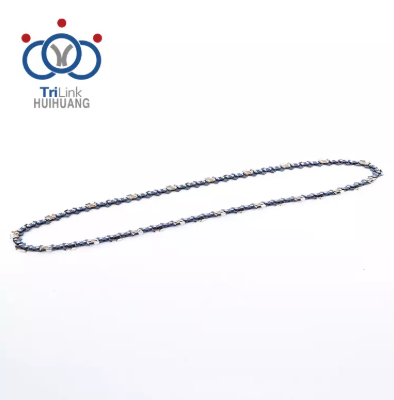
Industrial chainsaw chains are built with special features and specifications that allow them to endure tough working conditions. These features include:
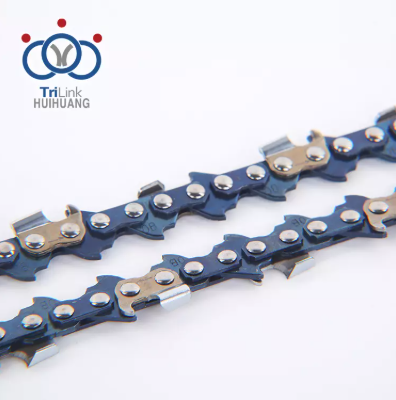
Pitch: The distance between the chain links. Common pitch sizes for industrial chains include .325″, 3/8”, .404″, and sometimes even .750″. A smaller pitch provides better speed and smoother cutting, while a larger pitch is better suited for heavier-duty cutting tasks.
Gauge: The thickness of the drive link, which ensures that the chain fits securely in the guide bar groove. Common gauges include .050″, .058″, .063″, and .080″.
Cutter Styles: Chainsaw chains come in various cutter styles, such as chisel, chamfer, and specialty styles. The type of cutter affects the cutting speed, precision, and durability. For example, chisel cutters offer faster cuts, while semi-chisel cutters provide more durability for longer cuts in tough materials.
These specifications ensure that industrial chains are optimized for demanding environments, allowing them to perform efficiently when cutting through tough, dense wood, frozen materials, or even metal-reinforced timber. The choice of pitch, gauge, and cutter style directly impacts the performance and longevity of the chainsaw chain.
| Specification | Description | Common Sizes |
|---|---|---|
| Pitch | Distance between the chain links. | .325″, 3/8″, .404″ |
| Gauge | Thickness of the drive link. | .050″, .058″, .063″ |
| Cutter Style | Types of cutters, affecting speed and durability. | Chisel, Semi-Chisel, Chamfer |
Industrial chainsaw chains are not only about sharpness; they are engineered for long-term durability under heavy-duty conditions. These chains are designed to handle the extreme mechanical stress of continuous cutting, and some key features include:
Strengthened construction to ensure that the chain remains intact under the most demanding conditions.
Carbide-tipped chains: Carbide is known for its hardness and resistance to wear, allowing the chain to maintain its sharpness for longer, even in abrasive environments.
Reinforced links: The links of industrial chains are specially reinforced to resist breaking and to handle high-impact conditions.
These durable chains can withstand prolonged use in harsh environments without losing their efficiency. For example, industrial chainsaw chains can cut through dense and abrasive woods, frozen logs, and debris-heavy environments where standard chains would quickly dull and lose their effectiveness. The specialized construction of these chains ensures that they stay sharper for longer, reducing downtime for sharpening and maintenance.
Carbide-tipped chains offer one of the biggest advantages in industrial chainsaw chains: long-lasting sharpness. Unlike standard steel chains that dull after just 30 minutes of cutting through tough wood, carbide-tipped chains can stay sharp up to 25 times longer. This means you don’t have to stop as often for sharpening or chain replacement. For professionals who rely on their tools to get through the day’s work without delays, this feature is invaluable.
In addition to retaining sharpness, carbide chains also maintain cutting efficiency for much longer, even when working through tough, abrasive materials like dirt, nails, or frozen wood. This increases productivity and reduces the overall cost of maintenance.
Professional chainsaw chains, especially those with carbide tips, are built to reduce the need for frequent sharpening. This not only saves time but also improves overall operational efficiency. When you use a carbide-tipped chain, you spend less time maintaining your tool and more time focusing on the job at hand. Whether you're cutting through frozen wood, metal-laced logs, or debris-filled timber, carbide chains perform consistently well in harsh conditions, reducing the need for downtime due to maintenance.
Additionally, industrial chains are designed to last longer than standard chains, meaning you won’t need to replace them as often, which reduces the overall cost of operating a chainsaw in industrial applications. Less downtime for chain maintenance or replacement equals more productivity in the field, ultimately improving your bottom line.
Another major benefit of professional chainsaw chains is their enhanced cutting speed. Chains like those with carbide tips are designed to cut through even the toughest materials at higher speeds than their standard counterparts. This is particularly useful in high-volume environments where speed is crucial. The ability to cut faster means more work gets done in less time, improving overall efficiency.
Additionally, industrial chains are built for high-impact durability. Whether you're cutting through frozen logs or dense hardwoods, these chains hold up under pressure without breaking down. The toughness of the chain material ensures it can withstand prolonged, high-speed cutting without significant wear, giving professionals a reliable tool they can count on throughout their day.
When selecting a chainsaw chain for industrial use, it’s important to consider the specific work environment. Different types of work require different chains:
Logging: For cutting through thick, dense woods, select chains that can handle the toughest materials. Chains with a larger pitch and thicker gauge will provide more stability and cutting power.
Fire-fighting: Chains used by firefighters need to cut through tough materials like composite roofing, charred beams, and metal reinforcements. Carbide-tipped chains excel in these situations as they remain sharp for longer and can withstand the high-impact cutting required in emergency situations.
Demolition: Chains used in demolition must be capable of cutting through metal-reinforced timber, concrete-covered materials, or other heavy-duty materials. Choosing a chain with a strong cutter style (like chisel or semi-chisel) ensures it can handle the demands of the job.
Each of these applications demands a chain that is tailored to the task, ensuring optimal performance and safety. When in doubt, always consult with manufacturers or experts in chainsaw tools to select the appropriate chain for your needs.
| Work Environment | Recommended Chain Type | Key Features |
|---|---|---|
| Logging | Larger pitch, thicker gauge chains | Handles dense woods, provides cutting stability |
| Firefighting | Carbide-tipped chains | Can cut through composite roofing, charred beams |
| Demolition | Strong cutter styles (chisel, semi-chisel) | Cuts through metal-reinforced timber, concrete |
Chainsaw chains come in several configurations and cutter styles, each designed for specific cutting tasks. Here’s a brief rundown of the most common configurations:
Standard Sequence: This is the most common type, providing a balance between speed and cutting power. It’s suitable for general cutting tasks.
Skip Sequence: This configuration removes fewer chips per cut, making it ideal for long bars used in larger chainsaws. It helps to clear the debris more efficiently, reducing the chances of the chain getting bogged down.
Double Skip: Designed for low-horsepower or battery-powered chainsaws, this sequence reduces drag by removing fewer chips. It allows for smoother cuts with less power, making it a good choice for smaller saws.
Cutter styles also play a critical role in determining the speed and quality of the cut:
Chisel Cutters: These provide faster cuts and are often used in clean, well-maintained materials.
Semi-Chisel Cutters: These provide a more durable cutting edge and are better for rough conditions, where the chain may encounter dirt or debris.
By understanding how each configuration and cutter style affects cutting speed, efficiency, and durability, you can select the right chainsaw chain for any given task.
A loose chainsaw chain can result in inefficiency and safety risks. To ensure proper performance, you should adjust the chain tension regularly:
Turn off the chainsaw and wear gloves to protect your hands.
Check the chain tension by gently pulling the chain away from the guide bar. It should snap back into place with a slight gap, usually about 1/8 inch.
Loosen the guide bar nuts, then adjust the chain tension using the tensioner screw located on the side of the saw.
Tighten the guide bar nuts once the tension is correctly set, ensuring the chain moves smoothly without sagging.
Adjusting the chain tension correctly is crucial for both safety and performance. Too tight, and it will cause excessive wear; too loose, and it will slip and cause cuts to be uneven.
Over time, chainsaw chains wear down, especially under heavy-duty use. Here are common signs that your chain needs maintenance:
Dull Chains: When the chain no longer cuts efficiently or requires excessive force, it may be time to sharpen it.
Uneven Wear: If one side of the chain wears more quickly than the other, it can lead to a less effective cut and should be addressed. By regularly sharpening and maintaining the chain, you can prevent these issues from escalating, ensuring that the chain remains effective and safe to use.
Lubrication is vital for maintaining chainsaw chains. Without proper lubrication, friction increases, leading to overheating, wear, and possible failure of the chain. To solve lubrication issues:
Use the right oil: Always use bar and chain oil to lubricate the moving parts of the chainsaw chain.
Check oil levels regularly: Ensure that the oil reservoir is full before starting any job.
Clean the oil ports: Debris can clog the oil ports, reducing the amount of oil that reaches the chain. Regular cleaning ensures smooth operation.
Chainsaw chains are essential in forestry and logging operations where cutting through dense and often unpredictable materials is common. Some specific use cases include:
Wind-fallen trees: Chainsaw chains, especially carbide-tipped varieties, are effective at cutting through fallen trees, especially those in challenging environments like volcanic soil or wet conditions.
Frozen logs: Chains need to withstand the challenges of cutting frozen wood, which is often brittle and can cause rapid chain wear.
Firefighters rely on chainsaws to cut through structures quickly. Chains with carbide tips are ideal for this purpose, allowing them to:
Ventilate roofs in burning buildings quickly and safely.
Demolish composite roofs and metal beams, cutting through materials that would otherwise wear down regular chainsaw chains in minutes.
Chainsaws with industrial chains are crucial for utility crews working to clear debris, especially after storms. These chains are designed to:
Remove fallen branches from power lines quickly and efficiently.
Handle storm damage cleanup, where chainsaws must cut through a mix of wet wood, metal, and debris.
Proper maintenance ensures that your chainsaw is ready for the job every day:
Check chain tension: Make sure the chain is neither too tight nor too loose.
Maintain oil levels: Always check that the bar oil reservoir is full to keep the chain well-lubricated.
Clean after use: Remove sawdust and resin buildup after every job to maintain smooth operation.
Proper care can significantly extend the lifespan of your chainsaw chain:
Sharpen regularly: Keeping the chain sharp helps it cut efficiently and reduces wear on the motor.
Use proper lubrication: Regularly lubricating the chain ensures it operates smoothly and resists friction damage.
Store properly: When not in use, store your chainsaw in a dry, cool place to avoid rust and corrosion.
By following these maintenance steps, you can ensure that your chainsaw chain continues to perform at its best, reducing downtime and costly repairs.
Industrial chainsaw chains are designed to meet the demanding needs of professionals working in industries like forestry, firefighting, and demolition. These chains offer superior performance, longer-lasting sharpness, and enhanced durability, making them essential tools for the job. By understanding the key features, benefits, and maintenance needs of industrial chainsaw chains, professionals can make informed decisions that lead to better performance, higher productivity, and safer working conditions.
Zhejiang TriLink Huihuang Co. LTD offers high-quality industrial chainsaw chains that excel in durability and efficiency. Their products are designed to meet the toughest demands, providing value through long-lasting performance and reduced downtime.
A: An industrial chainsaw chain is a heavy-duty cutting tool designed for professional use in industries like forestry, demolition, and firefighting. It is built to handle tough materials and provide longer-lasting sharpness compared to standard chains.
A: Industrial chainsaw chains are designed with stronger materials and reinforced links for high-performance cutting in demanding environments. They typically feature carbide-tipped teeth, providing better durability and sharpness retention than regular chains.
A: Industrial chainsaw chains offer superior durability and performance in tough conditions. They reduce maintenance time, extend the life of your equipment, and provide more efficient cutting, especially in harsh environments like frozen wood or metal-reinforced timber.
A: Regular maintenance includes adjusting the chain tension, cleaning it after use, and ensuring proper lubrication. Sharpen the chain as needed, and replace it when it shows signs of excessive wear or damage.
A: Carbide-tipped chainsaw chains stay sharp up to 25 times longer than regular chains. They maintain cutting efficiency and durability in abrasive conditions, making them ideal for heavy-duty applications where extended performance is essential.
A: The cost of an industrial chainsaw chain varies depending on the size, material, and brand. Generally, carbide-tipped chains are more expensive but offer better long-term value due to their durability and reduced maintenance needs.