
Views: 0 Author: Site Editor Publish Time: 2025-12-16 Origin: Site


Choosing the right chainsaw chain can make or break your cutting experience. Have you ever struggled with inefficient cuts or safety concerns? Selecting the correct chain impacts both your speed and safety.
In this article, we will explore the various types of chainsaw chains, their key features, and help you make an informed decision before your next purchase. You'll understand how to select the perfect chain for your needs, ensuring both efficiency and safety.
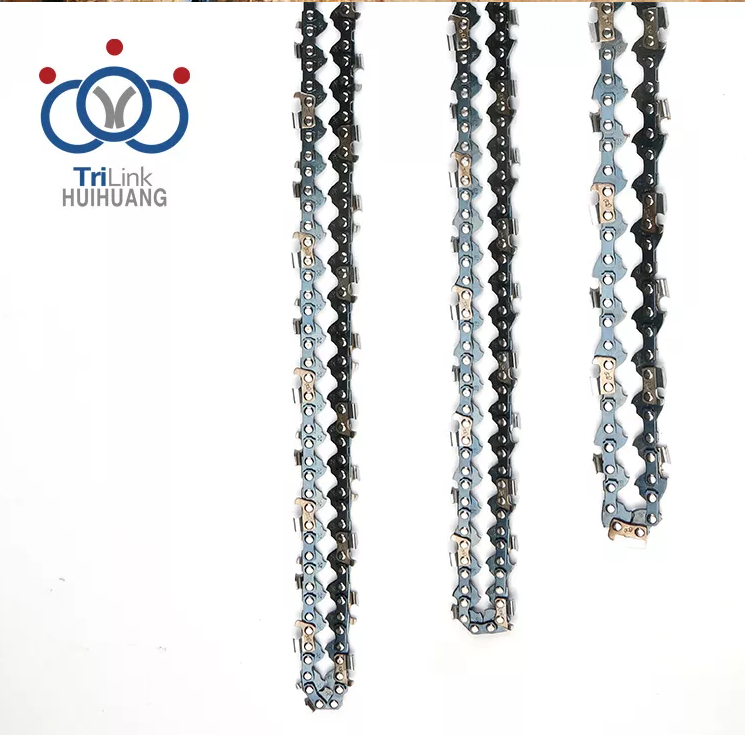
The pitch and gauge of a chainsaw chain are crucial for compatibility with your chainsaw. The pitch refers to the distance between the drive links on the chain. Common sizes include 3/8", .325", and 1/4". The gauge indicates the thickness of the drive link and must match the groove width of the guide bar. The correct pitch and gauge ensure that the chain fits perfectly with the chainsaw’s bar and sprocket.
When choosing a chain, it’s important to always check the pitch and gauge stamped on the bar or refer to the user manual for guidance. A mismatch between the chain and the sprocket or guide bar can lead to performance issues and may even cause damage to the equipment. For most users, the .325" pitch is ideal for general-purpose cutting with mid-size chainsaws. It provides a good balance of cutting power and ease of use, making it an excellent option for a variety of tasks.
Chainsaw chains are typically made of steel, but there are several variations based on the materials used for the cutter teeth. Some common materials include:
Steel: Steel chains are durable, cost-effective, and widely available. They are ideal for general wood cutting, but they require frequent sharpening to maintain their sharpness.
Carbide: Carbide-tipped chains are more durable and hold their sharpness much longer than steel chains. They are perfect for cutting through dirty, frozen wood or even some metals, making them ideal for tough jobs.
Diamond-tipped: Diamond-tipped chains are the most durable option available. These chains can cut through concrete, metal, and other hard materials. They are commonly used in specialized industries but are significantly more expensive.
If you regularly cut through dirty or frozen wood, consider carbide-tipped chains for enhanced durability and performance. They can withstand harsh conditions and reduce the frequency of sharpening, saving time and effort in the long run.
Below is a comparison of common chain materials to help you choose the best option based on your needs:
| Material Type | Durability | Common Applications | Cost | Maintenance Requirement |
|---|---|---|---|---|
| Steel | Moderate | General wood cutting | Low | Frequent sharpening |
| Carbide | High | Dirty, frozen wood, metal cutting | High | Low, lasts longer |
| Diamond-tipped | Very High | Cutting concrete, metal | Very High | Low, extremely durable |
The cutter style of a chainsaw chain influences its speed, efficiency, and control during operation. Each cutter style has its own advantages and drawbacks, and selecting the right one depends on the type of work you'll be doing. The main cutter styles include:
Full Chisel: Full chisel chains are designed for fast and aggressive cutting, making them ideal for clean wood. These chains offer the fastest cutting performance but are prone to higher kickback, which can be dangerous, especially for inexperienced users.
Semi-Chisel: Semi-chisel chains are slightly slower than full chisel chains, but they are more durable and can handle dirty or frozen wood better. These chains are a great all-around choice and are especially effective for general-purpose cutting and pruning.
Low Profile: Low-profile chains are perfect for small chainsaws or trimming tasks. They are designed to provide better control and safety, especially in tight spaces, and have lower kickback, making them a popular choice for homeowners and beginners.
Micro Chisel: Micro chisel chains offer a balance between speed and durability. They are slightly less aggressive than full chisel chains, but they are more forgiving when it comes to cutting through dirty or damp wood. These chains also produce less kickback, making them safer to use.
If you're new to chainsaw operation or need more control during cutting, low profile chains are ideal for enhanced control and safety. They help you manage the chainsaw more effectively and reduce the risk of accidents.
Below is a comparison of cutter styles to help you choose the best option for your needs:
| Cutter Style | Cutting Speed | Control | Ideal Use | Kickback Risk |
|---|---|---|---|---|
| Full Chisel | Fast | Low | Clean wood, fast cuts | High |
| Semi-Chisel | Moderate | High | Dirty, frozen wood, general use | Moderate |
| Low Profile | Moderate | High | Small saws, trimming, safety | Low |
| Micro Chisel | Moderate | Moderate | General wood cutting | Low |
Chainsaw chains are designed for specific types of wood. If you're working with clean wood, a full chisel chain is best for speed and efficiency. These chains are fast and produce smooth cuts, making them ideal for cutting through clean, dry wood. However, they are less effective when cutting through dirty, frozen, or fibrous wood, as they tend to dull quickly in those conditions.
For dirty or frozen wood, a semi-chisel or carbide-tipped chain will last longer and handle the challenges better. These chains are more durable and maintain their sharpness even in harsh conditions. Semi-chisel chains are particularly useful for cutting through wet, dirty, or softwood, as they are less likely to become clogged with debris.
Semi-chisel chains are a versatile option for general-purpose cutting. They are more forgiving and require less frequent sharpening compared to full chisel chains, making them a great choice for anyone who does a mix of cutting jobs.
The job type—whether it's light trimming, firewood cutting, or heavy-duty felling—dictates the chain choice. For rough, large timber, a skip tooth or semi-skip chain is best. These chains are designed for high-efficiency cutting with minimal drag, making them ideal for larger logs and tougher jobs. Skip chains have fewer teeth, which allows them to clear chips more effectively and reduces strain on the chainsaw.
For long-bar chainsaws or heavy-duty applications, a skip tooth chain will shed chips more effectively, keeping your saw running smoothly even during extended periods of use.
If you're milling, processing lumber, or working in tough environments, you may require specialty chains. Ripping chains are perfect for cutting through lumber along the grain. These chains have a different tooth configuration that helps produce smoother cuts and can handle the steady feed rate required for milling.
Carbide chains are ideal for environments filled with grit, nails, or other contaminants. They can handle dirty wood and remain sharp much longer than traditional steel chains, making them the best choice for demolition work or cutting wood in harsh conditions.
If you frequently cut through frozen or contaminated wood, investing in carbide-tipped chains will minimize wear and tear, ensuring your chain lasts longer and performs better in the field.
While full chisel chains are fast and efficient, they tend to have higher kickback risks. This can be dangerous, especially for those who are less experienced or working in less stable positions. On the other hand, semi-chisel chains offer better control and less risk of kickback, though they cut a little slower. It's important to balance cutting speed with control based on your specific needs.
If you're a beginner or need more control when cutting, opting for a low-profile chain can provide the best safety and control during operation.
Below is a comparison of key performance factors for different chainsaw chains:
| Factor | Full Chisel Chain | Semi-Chisel Chain | Low Profile Chain | Skip Chains |
|---|---|---|---|---|
| Cutting Speed | Fast | Moderate | Moderate | High |
| Control | Low | High | High | Moderate |
| Durability | Low | High | High | Moderate |
| Kickback Risk | High | Moderate | Low | Low |
Durability is another critical factor when selecting a chainsaw chain. Carbide chains and semi-chisel chains generally require less maintenance and stay sharp longer. They are better suited for high-durability cutting tasks in rough conditions, saving time and effort in the long run.
However, these chains are typically more expensive. If you're looking for a cost-effective option that requires moderate maintenance, a steel chain is a good choice. Steel chains are durable and get the job done but need to be sharpened more frequently compared to carbide or semi-chisel chains.
Kickback is one of the most significant safety concerns when using a chainsaw. To minimize the risk, consider using low-profile or semi-chisel chains. These chains are designed with rounded edges, which help reduce the likelihood of kickback during operation.
If you’re working in tight spaces, or if you're new to chainsaw operation, a low-profile chain provides enhanced control and safety, helping you operate the chainsaw more effectively and safely.
Proper chain tension ensures that your chainsaw runs efficiently. It's important to check the chain tension regularly—each time you fuel up or change the battery. The chain should fit snugly against the guide bar but still be able to move with light hand pressure. If the chain is too loose, it can slip off, causing damage to the saw, while a too-tight chain can lead to excessive wear or even breakage.
Ensure your chain tension is correct to prevent issues such as poor performance or damage to your chainsaw.
Keeping your chainsaw chain sharp is essential for maintaining its cutting efficiency. Use the appropriate round file size based on your chain's pitch and sharpen the chain regularly to ensure smooth and safe operation. Sharpening the chain yourself can save money, but it requires the right tools and technique.
If you’re not comfortable sharpening the chain yourself, you can use a chainsaw sharpening kit or take it to a professional. Regular sharpening ensures that your chainsaw performs optimally and helps extend the life of the chain.
Routine maintenance, such as cleaning the bar and chain, checking for wear, and replacing parts, is essential for the longevity of your chainsaw and its chain. Don’t neglect periodic maintenance checks, as a small issue can lead to bigger, costlier repairs down the road.
Set a maintenance schedule to regularly inspect your chainsaw, especially if you use it frequently. This will help keep it running at peak performance and reduce the need for expensive repairs.

Full chisel chains are excellent for fast cutting in clean wood, but they come with a higher kickback risk. Semi-chisel chains, on the other hand, are slower but safer and more durable. When choosing between the two, consider your needs for cutting speed versus safety. If you need to cut through clean wood quickly and efficiently, a full chisel chain is ideal. However, for general-purpose cutting and safer operation, a semi-chisel chain is usually the better choice.
Low-profile chains are ideal for smaller, lightweight chainsaws, providing excellent control and safety. They are designed to reduce kickback and improve maneuverability. Skip chains, on the other hand, are better suited for larger chainsaws and high-production environments due to their efficiency in handling tough cuts.
For occasional use or trimming tasks, low-profile chains offer the best control and are perfect for beginners.
Choosing the right chainsaw chain involves understanding the material, cutter style, and the type of work you'll be doing. By considering these factors, you can ensure safety, efficiency, and optimal performance. Always check your chainsaw’s manual for compatibility before purchasing a new chain.
Making an informed decision will not only improve your chainsaw's performance but also extend its life. This will save you time, money, and effort in the long run.
For those seeking top-quality chainsaw chains, Zhejiang TriLink Huihuang Co. LTD offers products that deliver enhanced durability and cutting performance. Their chains are designed to meet a wide range of needs, ensuring reliability and efficiency in every cut.
A: A chainsaw chain is a loop of metal with teeth that cut through wood. It is mounted on a chainsaw bar and driven by the engine, providing efficient cutting power for various tasks.
A: To choose the right chainsaw chain, consider factors such as the material (e.g., steel, carbide), cutter style (e.g., full chisel, semi-chisel), and the type of wood you are cutting. Each option offers different performance benefits.
A: Full chisel chains offer faster cutting for clean wood but have higher kickback risks. Semi-chisel chains are slower but more durable, ideal for dirty or frozen wood and general use.
A: You should replace your chainsaw chain when it becomes too dull, worn out, or damaged. Regular maintenance, such as sharpening, can extend its life, but eventually, it will need to be replaced for optimal performance.
A: If your chainsaw chain isn’t cutting properly, it could be due to dull teeth, incorrect tension, or a damaged chain. Check and sharpen the chain regularly, and adjust the tension to ensure smooth operation.
A: The price of a chainsaw chain varies based on material and type. Steel chains are typically cheaper, while carbide and diamond-tipped chains cost more but offer greater durability and performance.