
Views: 0 Author: Site Editor Publish Time: 2025-12-23 Origin: Site


Chainsaws are powerful tools, but their performance largely depends on one key component: the chainsaw chain. A poor-quality chain can lead to inefficiency, while a high-quality chain ensures smooth, precise cuts.
In this guide, we will explore the different types of chainsaw chains available and discuss how to choose the right one. You will learn about the essential components, the advantages of various chain types, and how to make the best choice based on your needs.
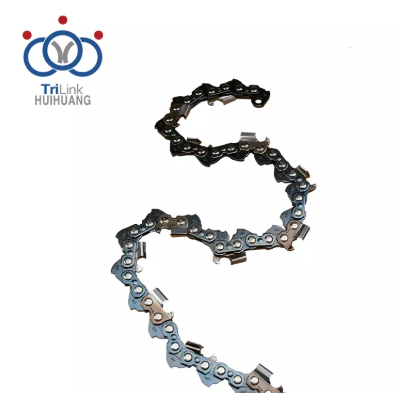
Understanding the key components of a chainsaw chain is essential when selecting the right one for your task. Here’s a breakdown of the critical factors:
The chain pitch refers to the distance between the links on the chain. It is a crucial measurement as it determines how well the chain fits with the guide bar and sprocket. The correct pitch ensures that the chain runs smoothly and is properly aligned with other components of the chainsaw. If the pitch doesn’t match the bar and sprocket, it can cause misalignment, poor performance, and potential damage. For example, a chain with a larger pitch than recommended can create friction and cause the chain to slip, while a smaller pitch may prevent proper engagement with the sprocket. Common pitch sizes include ¼", .325", 3/8", and .404", each suited for specific types of chainsaws, and it is important to match the pitch size to the specific model and application.
Here’s a quick reference table to help you match pitch sizes with chain gauges:
| Pitch Size | Common Applications | Compatible Chain Gauges |
|---|---|---|
| ¼" | Small chainsaws, light work | .043", .050" |
| .325" | General-purpose use | .050", .058" |
| 3/8" | Professional saws | .050", .058", .063" |
| .404" | Heavy-duty chainsaws | .058", .063" |
Chain gauge refers to the thickness of the drive links that fit into the guide bar. This measurement is essential for ensuring that the chain fits properly into the bar and doesn’t cause excessive wear or damage. The gauge must match the groove size of the bar; otherwise, the chain may be too loose or too tight. A chain that's too tight can lead to excessive wear, while one that's too loose may slip off during use, making the chainsaw unsafe. The most common gauges are .043", .050", .058", and .063", and selecting the correct gauge is crucial for proper chain function and safety.
Chainsaw chains are typically made from steel, carbide, or diamond materials. Steel is the most common and cost-effective choice for everyday tasks. It offers decent durability and sharpness, but it requires more frequent sharpening than other materials. Carbide-tipped chains are more durable, staying sharper longer, making them ideal for cutting through tough wood or materials that cause rapid dulling. Diamond-tipped chains are the most durable option, designed for extreme cutting applications like concrete or stone, where standard chains would quickly wear out. However, these chains are also the most expensive, so they are typically used only in specialized work.
The cutter style defines the shape and performance of the cutting teeth. The full chisel chain has square-cut teeth that provide the sharpest and most efficient cuts, making it ideal for fast, clean cuts through hardwoods like oak and hickory. Semi-chisel chains have rounded teeth, which offer less sharpness but greater durability, making them suitable for softer woods, frozen wood, or woods that contain sap, dirt, or other debris. The skip tooth chain has fewer teeth and is designed for cutting through large logs or rough environments where speed is more important than precision. This style allows the saw to cut through thicker materials faster, but it does not produce as smooth a cut as the other two types.
The arrangement of the teeth on a chainsaw chain determines its cutting speed and suitability for different tasks. A full house chain has the maximum number of teeth, providing smooth and efficient cuts, especially in precision work. This type of arrangement is ideal for cutting thinner logs or for clean cuts in softer materials. The full skip chain, on the other hand, has fewer teeth, which allows for faster cutting through larger, less dense wood. However, because the teeth are spaced further apart, it sacrifices precision. The semi-skip chain is a middle ground, offering a balance between speed and precision. It provides more cutting power than the full house chain but is more precise than the full skip chain.
Chainsaw chains come in various styles, each suited for different types of cutting tasks. Choosing the right type ensures better performance, safety, and efficiency during your work.
| Chain Type | Ideal Use | Teeth Style | Pros | Cons |
|---|---|---|---|---|
| Full Chisel Chain | Cutting hardwoods like oak, maple | Square-cut | Fast, efficient cutting | Wears down faster, not ideal for dirty wood |
| Semi-Chisel Chain | Cutting softwoods, frozen wood | Rounded teeth | Durable, low vibration, easy to maintain | Slower cutting, not ideal for hardwoods |
| Skip Tooth Chain | Cutting large logs, rough environments | Fewer teeth | Fast cutting for large logs, works in tough conditions | Rougher cuts, less precision |
Ideal Use: Best for fast, efficient cutting of hardwoods like oak, hickory, and maple. This type of chain is perfect for cutting clean, dry wood.
Pros & Cons: Full chisel chains are incredibly sharp, allowing for quick and efficient cutting. However, they do wear down faster than other types and require more frequent sharpening. They are not ideal for cutting through dirty or frozen wood, as they can become dull quickly when exposed to impurities.
Ideal Use: Suitable for softwoods, frozen wood, and wood that contains dirt or sap. It is commonly used for general-purpose cutting and in environments where chain durability is a priority.
Pros & Cons: These chains are more durable than full chisel chains, with a rounded tooth design that resists wear and tear better. They also generate less vibration and are easier to maintain, making them great for occasional users. However, they are not as fast at cutting through hardwoods as full chisel chains, so they may require more time and effort for heavy-duty tasks.
Ideal Use: Best for cutting large diameter logs or working in rough environments where speed is more important than precision. These chains are also effective in dirty or contaminated environments where chains may wear out quickly.
Pros & Cons: Skip tooth chains are designed for speed, as the fewer teeth allow for faster cutting. They are ideal for cutting large logs or working with rough materials. However, they are not suited for precision cutting, and they can leave a rougher surface than full chisel or semi-chisel chains.
Choosing the right chainsaw chain depends on the type of wood you're cutting and the amount of use you expect. Here are some tips for selecting the best chain for specific tasks:
For hardwoods like oak, maple, or cherry, a full chisel chain is ideal. Its sharp, square-cut teeth can quickly cut through dense wood, making it perfect for precision cutting. Additionally, square-ground chains are known for their long-lasting sharpness, making them suitable for frequent hardwood cutting. If you're working with particularly tough hardwoods, a carbide-tipped chain can further extend cutting performance.
Semi-chisel chains perform well on softwood like pine, fir, and cedar, as well as frozen wood or wood that has sap. Their rounded teeth help them maintain sharpness longer, even when cutting through materials that might dull a full chisel chain. Carbide-tipped chains are also effective in these situations, providing excellent durability and staying sharp for longer periods.
For cutting through dirty wood, or wood with nails and debris, you need a durable chain that can withstand the wear and tear. Specialty carbide-tipped chains are designed for such tough conditions and offer extended durability. These chains resist dulling and are perfect for cutting through contaminated or rugged materials, including wood with embedded nails.
Selecting the right chain isn’t just about the wood type. You must also consider how often you use your chainsaw and the type of tasks you're performing. Here are some considerations for optimizing your chain selection:
If you're using a chainsaw for commercial or high-volume cutting, a square-ground or carbide-tipped chain is ideal. These chains offer more precision and longevity, making them suitable for jobs like logging, timber cutting, or clearing large areas. These types of chains can handle heavy-duty tasks without becoming dull quickly, ensuring consistent performance.
For homeowners who use chainsaws occasionally, lighter, semi-chisel chains are a better option. They are easier to maintain and provide a smoother cutting experience, making them suitable for tasks like garden work, pruning, or cutting firewood. Semi-chisel chains also provide better durability, so they require less frequent sharpening and can handle occasional use with ease.
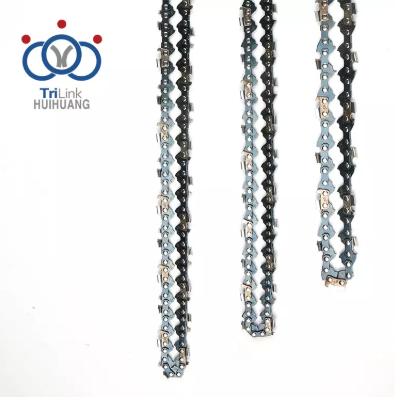
While choosing the right chainsaw chain may seem straightforward, there are common mistakes that can lead to poor performance or even safety issues.
One of the biggest mistakes people make is purchasing a chain that doesn’t match the pitch or gauge of their chainsaw. A wrong match can cause the chain to slip or even damage the sprocket and guide bar. Always ensure that the pitch and gauge are compatible with your chainsaw model for optimal performance and safety.
Choosing the correct chain length and link count is crucial. A chain that’s too short or too long will not fit the guide bar properly, leading to poor performance, slippage, or even chain derailment. Always measure the length and check the specifications of your chainsaw to ensure compatibility.
Maintaining your chainsaw chain is just as important as choosing the right one. A dull chain is inefficient and can make your job harder and more dangerous. Regular sharpening and lubrication can extend the life of your chain and keep it performing at its best. Make sure to clean the chain regularly, sharpen it when needed, and keep it lubricated with proper chain oil.
Here’s a table summarizing the key maintenance tasks for your chainsaw chain:
| Maintenance Task | Recommended Frequency | Purpose |
|---|---|---|
| Sharpening the Chain | Every 3-5 hours of use | To maintain cutting efficiency |
| Lubricating the Chain | Every 2-3 hours of use | To prevent wear and tear |
| Cleaning the Chain | After every use | To remove debris and sap |
| Checking Tension and Fit | Before every use | To ensure proper chain alignment |
Selecting the right chainsaw chain is crucial for optimal performance. Whether you’re cutting firewood or tackling professional projects, the right chain will ensure smooth operation. Consider factors like wood type, cutting frequency, and maintenance needs when choosing your chain. Regular maintenance is essential to keep your chainsaw working efficiently and safely.
For high-quality chainsaw chains, Zhejiang TriLink Huihuang Co. LTD offers reliable products that enhance performance and durability. Their products provide great value by ensuring smooth and efficient cuts. Always check compatibility with your chainsaw model to avoid costly mistakes.
A: There are several types of chainsaw chains, including full chisel, semi-chisel, and skip tooth chains. Each is designed for specific cutting tasks, such as fast cutting of hardwoods or handling dirty wood.
A: When selecting a chainsaw chain, consider factors like wood type, cutting frequency, and chain pitch and gauge. Ensure compatibility with your chainsaw's guide bar and sprocket for optimal performance.
A: The chain pitch determines how well the chainsaw chain fits with the guide bar and sprocket. A mismatch can cause poor performance or damage, so it’s crucial to choose the correct pitch for your chainsaw.
A: Regular maintenance is vital for extending the life of your chainsaw chain. Sharpen the chain every 3-5 hours of use, lubricate it every 2-3 hours, and clean it after every use.
A: Full chisel chains are ideal for fast, efficient cuts on hardwoods, while semi-chisel chains are more durable and work well on softwood, frozen wood, and dirty wood.