
Views: 0 Author: Site Editor Publish Time: 2025-12-09 Origin: Site


Choosing the right chainsaw chain can make or break your work in tough conditions. Have you ever struggled with a chain that wears out too quickly or doesn't perform under pressure?
In this article, we’ll discuss the essential factors for selecting the best chainsaw chain for harsh environments. You’ll learn how to pick the right chain based on your needs and the specific conditions you face. By the end, you’ll know how to achieve optimal performance safely and efficiently.
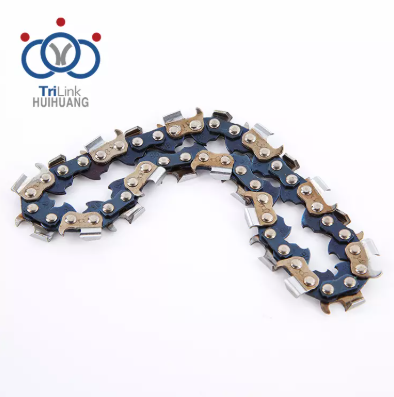
When selecting a chainsaw chain, it’s important to understand two key specifications: pitch and gauge. These specifications determine the compatibility of the chain with your chainsaw and directly affect its performance.
Pitch refers to the distance between the drive links, essentially defining the size of the chain’s links. It is critical to ensure that the pitch of the chain matches the sprocket and guide bar of your chainsaw. If the pitch is mismatched, it can cause the chain to slip or result in improper cutting. Common pitch sizes include 1/4", .325", 3/8", and .404". Choosing the right pitch ensures smoother operation, reduces the risk of wear, and enhances cutting precision.
Gauge is the thickness of the drive links, which ensures that the chain fits properly into the guide bar’s groove. A correct gauge helps prevent the chain from coming off during operation. The most common gauges for chainsaw chains are .043", .050", .058", and .063". If the gauge is incorrect, it could cause the chain to slip off the guide bar or wear out prematurely. Selecting the correct gauge ensures that the chain remains securely attached and operates smoothly.
| Pitch Size | Common Gauge Sizes | Suitable Chainsaw Types | Common Use Cases |
|---|---|---|---|
| 1/4" | .043", .050" | Small chainsaws | Pruning, light trimming |
| .325" | .050", .058" | Mid-size chainsaws | General cutting tasks |
| 3/8" | .058", .063" | Larger chainsaws | Heavy-duty cutting |
| .404" | .063" | Professional chainsaws | Logging, tree felling |
The drive link count refers to the total number of drive links on the chain that fit into the guide bar’s groove. This count plays an essential role in determining the overall length of the chain, which must match your chainsaw's guide bar. A mismatch in the drive link count can cause several issues, including improper fit, inefficient cutting, and even damage to your equipment.
To avoid these issues, it’s important to count the drive links on your old chain and match the number with the new one. By doing so, you ensure that the new chain fits perfectly, allowing your chainsaw to function optimally. Accurate drive link count helps maintain performance and ensures that the chain operates with the correct tension, improving both efficiency and safety.
In harsh conditions, chainsaw chains must strike a balance between speed and durability. While chains that cut quickly are great for high-volume tasks, they may wear out more rapidly when exposed to difficult conditions such as dirt, moisture, or frozen wood. It’s essential to choose a chain that offers the right combination of cutting speed and durability to suit the specific environment you are working in.
Speed Needs: For quick, efficient cuts, opt for chains designed for high-speed cutting. These chains are ideal when you need to process large volumes of wood in a short amount of time. Full chisel chains are great for tasks that require rapid cutting, such as felling trees in a forested area or processing firewood. These chains allow you to complete jobs faster, saving time and effort.
Durability Considerations: In environments where the wood is dirty, frozen, or particularly tough, it’s important to prioritize durability. Semi-chisel chains, for instance, provide a slower but more durable cut, making them ideal for cutting through challenging materials without dulling quickly. They are also better at handling grit, moisture, and debris, making them perfect for working in harsh weather conditions. Semi-chisel chains are often preferred by professionals who need to work in environments where chains are subject to extreme wear and tear.
When selecting a chainsaw chain, it's crucial to consider both speed and durability to ensure that your chain will handle the specific job effectively and maintain its performance for longer periods.
Choosing the right chain for different wood types is an important consideration for both efficiency and safety. Chainsaw chains are specifically designed to handle the unique challenges posed by different types of wood, whether it's softwood or hardwood.
Softwood Chains: If you’re cutting softwoods like pine, fir, or cedar, you’ll need a chain that can handle rapid cuts. Full chisel chains are ideal for these tasks because their square-cornered teeth can slice quickly through softwoods, making them efficient for high-speed cutting. These chains are great for tasks such as trimming branches or felling smaller trees.
Hardwood Chains: For dense hardwoods like oak, maple, or hickory, you’ll need a chain that can withstand more pressure and maintain its sharpness for longer periods. Semi-chisel chains are perfect for hardwoods because they retain their sharpness longer and handle tough, fibrous materials more effectively. These chains are less prone to dulling in tough cutting conditions, which is essential when working with hardwoods that are harder to cut and require greater force.
Understanding the differences between softwood and hardwood chains can help you select the most appropriate chainsaw chain for your cutting needs, ensuring that you can handle both light and heavy-duty tasks with ease.
| Wood Type | Preferred Chain Type | Characteristics | Best Use |
|---|---|---|---|
| Softwood | Full Chisel Chain | Fast cutting, sharp teeth | Trimming, light felling |
| Hardwood | Semi-Chisel Chain | Durable, maintains sharpness longer | Heavy cutting, tough wood, felling |
Weather conditions, including extreme cold, wet environments, and dusty conditions, can have a significant impact on the performance of chainsaw chains. Chainsaw chains must be designed to withstand these elements while maintaining cutting efficiency.
Frozen or Wet Conditions: Chains designed for cold, wet, or frozen environments are typically made from corrosion-resistant materials and feature reinforced components to prevent damage. Semi-chisel chains are preferred in these conditions because their rounded teeth handle moisture, dirt, and grit better than full chisel chains, maintaining sharpness for longer periods.
Dusty or Dirty Conditions: If you're working in dusty or debris-filled environments, such as clearing brush or cutting trees in forested areas, it’s important to choose a chain that resists wear and maintains its sharpness. Chains designed with anti-wear materials are a good option in these cases, as they can handle the buildup of dirt and dust that would otherwise cause chains to dull more quickly.
Regular maintenance, such as cleaning the chain after use, is critical to keeping your chain in top shape when working in extreme weather conditions. Ensuring that your chainsaw chain is well-maintained will help prolong its life and maintain its cutting efficiency.
When deciding between full chisel and semi-chisel chains, the primary factor to consider is the balance between speed and durability, as each type is designed for specific cutting tasks.
Full Chisel Chains: These chains feature square-cornered teeth that provide fast, aggressive cuts through clean wood. Full chisel chains are perfect for professional users who need to cut quickly through softwood or for high-speed cutting tasks. However, they tend to dull quickly when exposed to dirt or frozen wood, making them less suitable for harsh environments.
Semi-Chisel Chains: These chains feature rounded teeth, which makes them slower to cut but more durable in difficult conditions. Semi-chisel chains are ideal for cutting in dirty or frozen environments, where a faster chain would wear out too quickly. These chains retain their sharpness longer and are more resistant to wear, making them the preferred choice for professional users working in challenging conditions.
Both chain types have distinct advantages and should be chosen based on the specific demands of the job, whether you prioritize speed or durability.
| Chain Type | Speed | Durability | Best For | Common Use Cases |
|---|---|---|---|---|
| Full Chisel | Fast | Low | Clean, softwood cutting | Felling trees, firewood cutting |
| Semi-Chisel | Moderate | High | Dirty or frozen wood, tough environments | Forestry, pruning, heavy-duty cutting |
For those new to chainsaw operation or working in less demanding environments, low-profile chains offer a safer and more user-friendly option. These chains feature smaller teeth and are designed to reduce kickback, making them ideal for homeowners or casual users.
Low-profile chains are particularly useful for tasks like pruning, trimming, or small tree removal, where cutting power is less critical. These chains provide smoother cuts and are easier to handle, reducing the risk of accidents and improving safety for beginners.
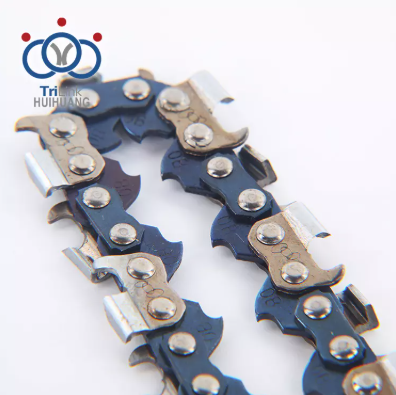
To maintain peak performance, your chainsaw chain must be regularly sharpened and cleaned. Over time, the teeth of the chain will become dull, which can lead to inefficient cutting and increased wear on your chainsaw.
Sharpening the chain ensures that the teeth stay at the correct angle, which helps maintain cutting efficiency. You can use a round file or a chainsaw sharpening tool to keep the teeth in good condition. Regular sharpening ensures that your chain performs at its best and helps extend its lifespan. After each use, it's essential to clean the chain to remove sap, dirt, and debris. This prevents rust and corrosion and ensures the chain runs smoothly.
A clean, sharp chain improves cutting speed, reduces kickback, and enhances overall safety.
| Maintenance Task | Frequency | Tools Needed | Purpose |
|---|---|---|---|
| Sharpening | After 3-5 hours of use | Round file, sharpening tool | Maintain cutting efficiency |
| Cleaning | After every use | Brush, soap, water, rag | Remove sap, dirt, and debris |
| Chain Tensioning | Every 1-2 hours | Wrench, tensioning tool | Prevent slippage or excessive wear |
| Lubrication | Before each use | High-quality chain oil | Reduce friction, prevent overheating |
Proper tension and lubrication are essential for ensuring the longevity and performance of your chainsaw chain.
The chain should always be tensioned correctly—not too loose and not too tight. A loose chain can cause slippage, while a tight chain can cause excessive wear on the guide bar and sprocket. Regularly checking the tension will help prevent these issues. Additionally, lubrication is key to reducing friction and preventing the chain from overheating. Always use high-quality chain oil to keep the chain lubricated, ensuring smooth performance throughout the job.
Check oil levels before you start working and adjust the tension as needed to ensure safe and efficient operation.
Selecting the right chainsaw chain for the task at hand can significantly improve efficiency and safety. Whether you’re felling trees, trimming branches, or milling logs, choosing the right chain for the job ensures you work more efficiently and safely.
For large trees, use a full chisel chain for fast, aggressive cuts. If you’re pruning smaller trees or branches, opt for a semi-chisel or low-profile chain, which provides better control and reduces the risk of accidents. For milling logs or handling specific cutting tasks, choose a chain designed for that purpose, as it will be optimized for the type of cutting required.
If you're a beginner or casual user, it’s best to choose a low-profile chain. These chains offer better safety features, reduced kickback, and are easier to control. On the other hand, experienced professionals who need more speed and precision may prefer full chisel chains for faster cuts and greater control.
Matching the complexity of the chain to your skill level ensures both safety and efficiency while working with your chainsaw.
Choosing the best chainsaw chain for harsh conditions involves understanding your specific needs, environment, and tasks. Whether prioritizing speed, durability, or safety, there is a suitable chain for every job. Always consider factors like pitch, gauge, and drive link count for compatibility, along with the type of wood and weather conditions you’re working in. Regular maintenance, such as sharpening, cleaning, and lubrication, is essential to keep the chain performing well and lasting longer.
By following these guidelines, you ensure that your chainsaw operates efficiently, even in the toughest conditions. Zhejiang TriLink Huihuang Co. LTD offers high-quality chains that are designed for durability and optimal performance in all conditions, providing real value for users who require reliable cutting solutions. Their products meet professional standards, ensuring safety and precision for every task. You can rely on Zhejiang TriLink Huihuang Co. LTD for chains that last longer and work harder.
A: A chainsaw chain is a key component of a chainsaw that determines how effectively it cuts through wood. It is made of various parts, including cutters, drive links, and rivets. Choosing the right chain is essential for performance, safety, and efficiency, especially in harsh conditions.
A: When selecting a chainsaw chain for harsh conditions, consider durability and resistance to moisture or dirt. Semi-chisel chains are ideal for wet, dirty, or frozen environments due to their long-lasting sharpness and ability to handle debris.
A: A full chisel chainsaw chain offers fast, aggressive cutting through clean wood. It is ideal for tasks like felling trees or cutting softwoods. However, it tends to dull quickly in harsh conditions like dirt or frozen wood.
A: Proper tensioning is crucial for a chainsaw chain to function safely and efficiently. A chain that is too loose may slip, while one that is too tight can cause excessive wear on the guide bar and sprocket, reducing performance.
A: Regular maintenance is important for a chainsaw chain to stay sharp and effective. In harsh conditions, sharpening, cleaning, and lubrication should be done after every use to ensure optimal performance and extend the life of the chain.
A: No, different chainsaw chains are suited for different wood types. Full chisel chains are better for softwoods, while semi-chisel chains are preferred for hardwoods due to their durability and ability to maintain sharpness longer.